
Last updated September 24, 2026
Free in-home measure and quote - PGT, CGI and CWS impact lines compared on your actual openings, style by style
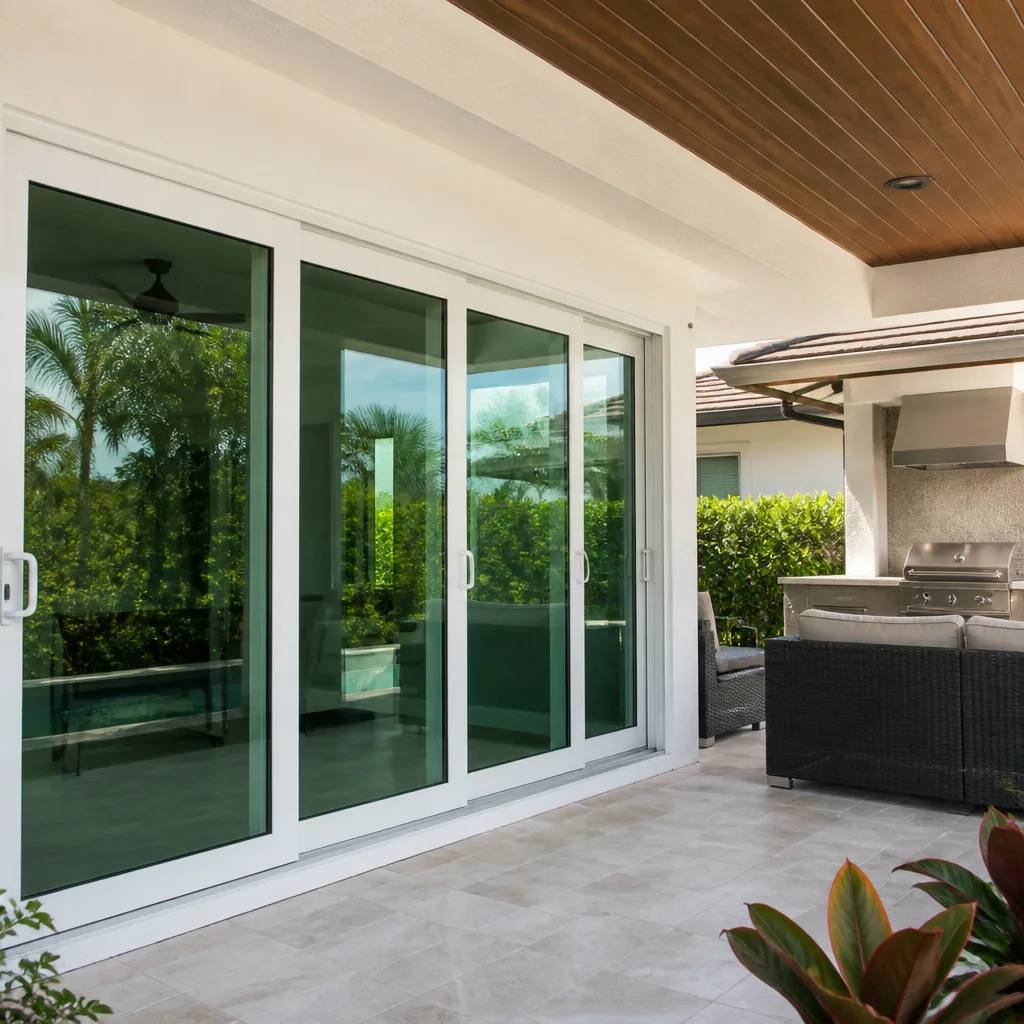
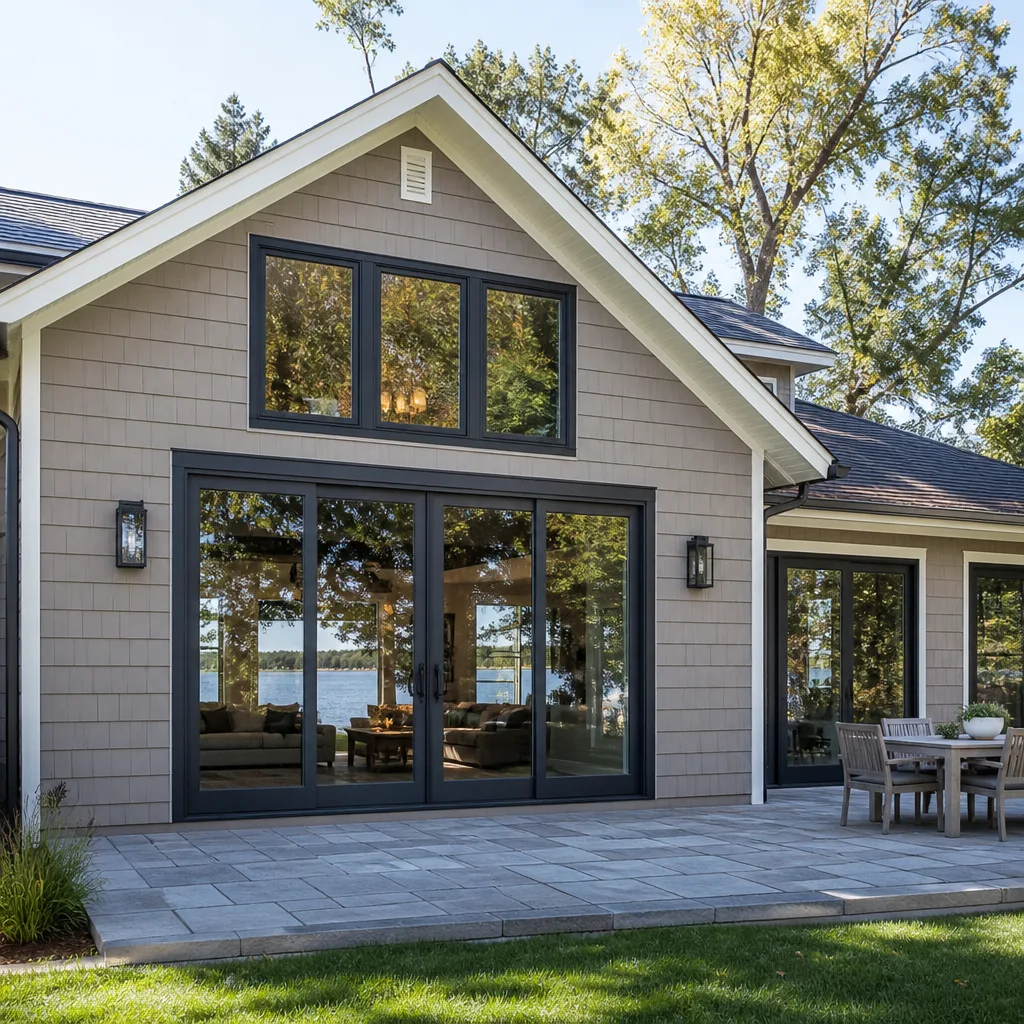
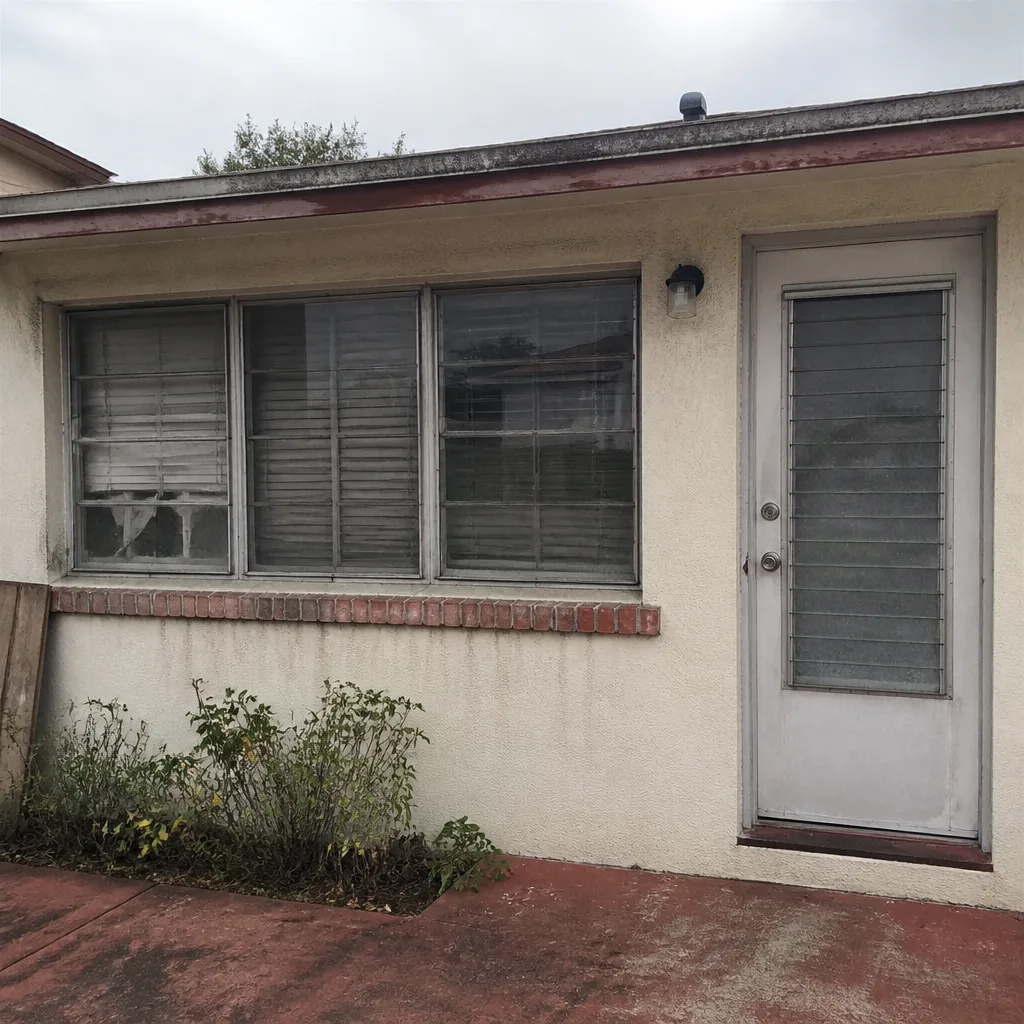 Before
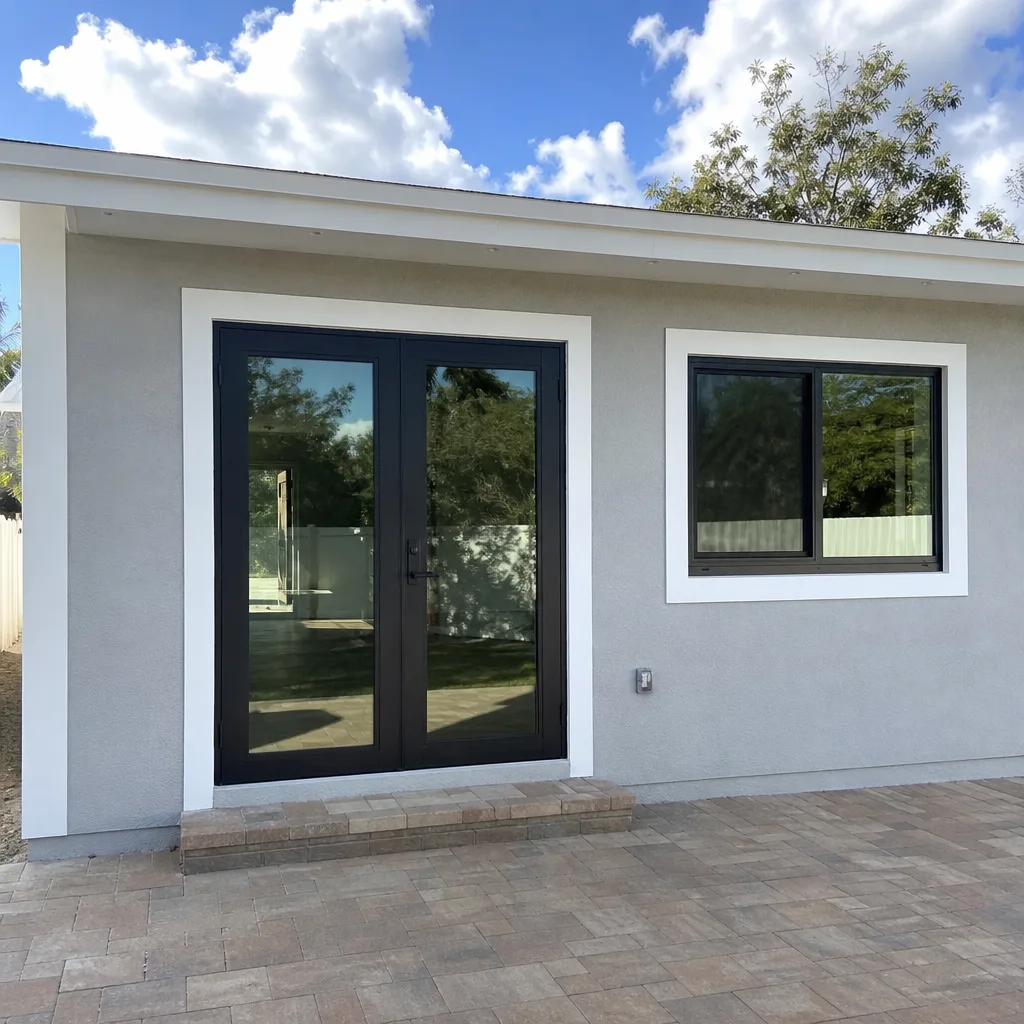 After
After Before
 After
After Before
 After
AfterDIY vs Professional Windows & Doors: The Opa-locka Homeowner’s Decision Guide
A homeowner in Opa-locka who self-installs an impact window without pulling the proper permit isn’t just risking a code violation fine. They’re installing a product whose manufacturer warranty is explicitly voided by non-certified installation, and their insurance carrier can use that fact to deny a wind-damage claim after the next storm. In most of the country, window replacement is a common DIY project. In Opa-locka, located squarely within Miami-Dade County’s High-Velocity Hurricane Zone, the calculation changes completely. This guide explains what you can legally do yourself, what requires a licensed contractor, what a failed inspection actually costs, and how to verify whether your specific windows demand factory-certified installers. For How to Hire a Windows & Doors Contractor in Opa-locka: A Step-by-Step Guide, see our companion resource.
Quick Answer
In Opa-locka, homeowners can legally perform interior prep, finish trim, and cosmetic caulk touch-up on window and door projects. Everything else - removal of the existing unit, structural modification, flashing installation, and final fastening - requires a licensed contractor to pull a Miami-Dade building permit. Self-installed impact windows without proper certification void the manufacturer’s warranty and may invalidate your wind-storm insurance coverage.
Table of Contents
- What Miami-Dade Code Actually Says About DIY Window Work
- What “Owner-Builder” Status Allows and Prohibits
- Manufacturer Installation Certification Requirements
- Three Tasks You Can Do vs. Five That Require a Contractor
- The Real Cost of a Failed Inspection in Opa-locka
- How Upfront Pricing Removes the Biggest Professional Installation Fear
- Choosing Products That Match Your Project Requirements
- Common Mistakes to Avoid
- When to Call a Professional
- Frequently Asked Questions
- The Bottom Line
 Before
 After
AfterWhat Miami-Dade Code Actually Says About DIY Window Work
Miami-Dade County Ordinance 8-12 and the Florida Building Code, 7th Edition, define window and door replacement in the High-Velocity Hurricane Zone as structural work subject to permit and inspection. The code language is specific: any replacement of an existing window or door, or any new opening creation, requires a building permit issued to a licensed contractor or a property owner acting as their own owner-builder under strict limitations.
The HVHZ designation applies to all of Opa-locka. This isn’t a neighborhood-by-neighborhood variation. Every address in the 33054 and 33055 ZIP codes falls under wind-borne debris region requirements. That means any window or door installed must carry a Miami-Dade Notice of Acceptance (NOA) or Florida Product Approval, and the installation must follow the manufacturer’s HVHZ installation instructions exactly.
Here’s where most homeowners stumble. The code permits an owner-builder to pull their own permit for work on their primary residence. But the permit application requires the owner to attest that they will personally supervise all work, that they understand they assume full legal liability equivalent to a licensed contractor, and that they will use only licensed subcontractors for electrical, plumbing, and mechanical work. Window and door installation doesn’t require a subcontractor license specifically, but the structural and waterproofing elements of the installation fall under the general contractor’s scope. An owner-builder who performs the work personally without demonstrating equivalent competence can face stop-work orders, permit revocation, and required removal of completed work.
We’ve reviewed permit records in Opa-locka where owner-builder window projects were flagged at inspection for improper fastening schedules, missing sill pan flashing, and failure to maintain the required continuous air barrier. Each deficiency required a licensed contractor to remediate, often at higher cost than original professional installation would have run.
The practical reality: the code doesn’t forbid DIY window work categorically, but it layers requirements that make competent DIY execution extremely difficult without trade knowledge and the documentation systems that professional contractors maintain.
What “Owner-Builder” Status Allows and Prohibits
Florida Statute 489.103(7) creates the owner-builder exemption, and Miami-Dade County’s implementation adds local conditions that matter for Opa-locka homeowners. Understanding the actual boundaries of this status prevents costly assumptions.
What owner-builder status allows:
- Pulling a building permit in your own name for work on your primary residence, not investment or rental properties.
- Hiring and directly paying subcontractors for permitted trades, provided each subcontractor holds the required state or county license.
- Performing work yourself that doesn’t require a specialty license, provided you can demonstrate code compliance at inspection.
What it explicitly prohibits or severely restricts:
- Performing work under owner-builder status on any property you don’t personally occupy as your primary residence.
- Building more than one structure under owner-builder status within any 12-month period.
- Advertising or holding yourself out as a contractor, or selling the property within one year without proper disclosure of unpermitted or owner-builder work.
- Performing electrical, plumbing, or HVAC work without the proper subcontractor licenses, regardless of your own skill level.
The restriction that catches Opa-locka homeowners specifically: owner-builder status doesn’t exempt you from any HVHZ product or installation requirement. You still must use NOA-approved products. You still must follow manufacturer installation instructions certified for HVHZ conditions. You still must pass the same inspections, including the intermediate inspection for flashing and fastening that many homeowners don’t realize exists between rough-in and final.
We’ve encountered situations in the Magnolia North and Rainbow Heights areas where homeowners completed window replacement under owner-builder permits, passed final inspection, and later discovered their installation documentation was insufficient for their insurance carrier’s wind mitigation survey. The windows were code-compliant, but the permit record didn’t contain the product approval numbers and installation detail drawings the insurer required to apply opening protection credits. Professional contractors maintain this documentation as standard practice; owner-builders often don’t know to request or retain it.
Manufacturer Installation Certification Requirements
This is the detail most competitors omit, and it’s often the decisive factor in the DIY vs. professional calculation for Opa-locka homeowners.
Impact-rated windows and doors carrying Miami-Dade NOAs include installation instructions that are part of the approved product system. The NOA explicitly states that deviation from these instructions voids the approval. What many homeowners don’t realize is that several major manufacturers layer additional certification requirements on top of the code minimum.
PGT WinGuard products, for example, require installation by dealers who have completed PGT’s certified installer training program for full warranty coverage. The base product warranty covers manufacturing defects regardless of installer, but the glass-breakage and seal-failure warranties that homeowners value most are contingent on certified installation with documented completion of the PGT installation checklist. A homeowner performing DIY installation receives no warranty card and no registration in PGT’s system.
CGI Estate Collection and Sentinel by CGI products carry similar requirements for their impact-rated lines. The NOA installation instructions reference “qualified installer” language that CGI interprets as completion of their dealer certification program. We’ve reviewed CGI warranty claims denied specifically because the installing party couldn’t produce certification credentials.
Therma-Tru entry doors with impact-rated glass packages require certified dealer installation for the full door system warranty, including the critical seal-between-glass coverage that protects against moisture intrusion in Florida’s humidity.
How to check your specific product:
- Locate the Miami-Dade NOA number on the product label or manufacturer specification sheet.
- Download the full NOA document from the Miami-Dade Product Control website - not the summary, the complete document with installation details.
- Review Section 4 (Installation) for language requiring “manufacturer-certified installer,” “authorized dealer,” or “qualified contractor.”
- Contact the manufacturer’s warranty department directly with the product series and NOA number, and ask specifically whether owner-builder or self-installation voids any warranty coverage.
- Request written confirmation, not verbal assurance. Document what you receive.
In our experience with the 18,000+ openings we’ve installed since 2012, fewer than five percent of homeowners who call manufacturers receive clear written confirmation that DIY installation preserves full warranty coverage. The default position of most manufacturers is to direct warranty questions to their certified dealer network.
Three Tasks You Can Do vs. Five That Require a Contractor
Based on Miami-Dade code, manufacturer warranty requirements, and our field experience in Opa-locka neighborhoods from Magnolia North to Rainbow Heights, here’s the practical division of labor.
Three tasks a homeowner can legally and safely perform:
- Interior preparation. Removing window treatments, clearing furniture, protecting floors with drop cloths, and creating workspace access. This is purely preparatory and doesn’t affect the building envelope.
- Interior finish trim. Installing decorative casing, stool, and apron after the window is properly installed, flashed, and inspected. This work is cosmetic and doesn’t affect the structural or weather-resistant performance of the assembly.
- Cosmetic caulk touch-up. Applying painter’s caulk to interior trim joints for appearance. This is distinct from the structural sealants and flashing tapes that create the weather barrier, which must be installed during the primary installation and inspected before concealment.
Five tasks that require a licensed contractor in Opa-locka’s jurisdiction:
- Removal of the existing unit. This disturbs the building envelope and requires proper protection of the opening against weather intrusion during the replacement process. In Opa-locka’s summer storm pattern, an unprotected opening can admit significant water in under an hour.
- Structural modification. Any change to the rough opening dimensions, header configuration, or supporting framing. Even minor expansion requires engineering evaluation in HVHZ zones.
- Flashing installation. The sill pan, head flashing, and jamb flashing create the primary weather barrier. Miami-Dade requires specific materials and installation sequences that vary by wall type and cladding. Improper flashing is the leading cause of window-related water damage claims in South Florida.
- Final fastening and anchoring. HVHZ installations require specific fastener types, spacing, and embedment into structural framing. The fastening schedule in the NOA is part of the approved system and isn’t negotiable.
- Permit closure and documentation. Scheduling inspections, providing required documentation, correcting deficiencies, and obtaining the certificate of completion. This administrative burden is substantial and errors can leave permits open indefinitely.
The distinction between cosmetic caulk and structural sealant illustrates the precision required. We use OSI Quad or equivalent structural sealants at the exterior perimeter, applied over backer rod to the specific bead dimension in the NOA. Interior painter’s caulk is latex, applied after inspection, and serves no weatherproofing function. Homeowners can safely apply the second. Applying the first without understanding the NOA requirements risks both inspection failure and long-term water intrusion.
The Real Cost of a Failed Inspection in Opa-locka
Failed inspections carry costs that extend beyond the re-inspection fee. Understanding the full exposure helps evaluate whether DIY savings are real or illusory.
Direct costs:
- Miami-Dade re-inspection fee: currently $94 for the second inspection, $188 for the third and subsequent inspections on the same permit.
- Contractor callback to correct deficiencies: typically $150-$400 for a single-issue correction, assuming the original installer is available and willing. For owner-builder work, this requires finding a contractor willing to assume liability for another party’s work, which many decline.
- Material replacement: failed flashing or improperly installed windows often cannot be corrected without removing and replacing components. A single failed sill pan can require removing the window, replacing the pan, reinstalling, and re-flashing - effectively doing the job twice.
Indirect costs that competitors rarely discuss:
- Open permit liability. An open permit appears on title searches and can block home sales or refinances until closed. In Opa-locka’s active market, we’ve seen transactions delayed 30-60 days while permit issues are resolved.
- Insurance complications. Wind mitigation inspections for insurance discounts require documentation of proper installation. Failed or uncorrected permit history can prevent application of opening protection credits, increasing premiums $500-$1,200 annually depending on home value and carrier.
- Manufacturer warranty position. A failed inspection creates documentation of non-compliant installation. Manufacturers use this to deny warranty claims even for unrelated defects, arguing the installation environment compromised the product.
In the Sherbondy Village and Bunche Park areas, we’ve been called to correct owner-builder window installations that failed inspection twice. The homeowner’s initial material savings of approximately $800 were erased by $640 in re-inspection fees, $1,100 in contractor callback charges, and a six-week permit closure delay that nearly derailed their cash-out refinance. The measured survey we provided, which became our written quote, would have cost less than their remediation.
How Upfront Pricing Removes the Biggest Professional Installation Fear
The most common hesitation we hear from Opa-locka homeowners considering professional installation isn’t skill or quality concern. It’s price uncertainty - the fear that the final invoice won’t match the quote, that hidden conditions will emerge, that the project will balloon beyond budget.
This fear is rational. The home improvement industry has trained consumers to expect change orders. Initial quotes exclude conditions that “couldn’t be known until we opened the wall.” Allowances substitute for actual specifications. The homeowner signs based on one number and pays another.
Our approach inverts this. Sightline Windows & Doors Opa-locka home operates under Haven Clause 1: Have it in writing. The measured survey we perform during our first visit produces dimensions, frame conditions, and opening requirements that become the written quote the customer keeps. That document and the final invoice are the same. We don’t encounter hidden conditions because we measure before we price, not after.
This matters for the DIY comparison specifically. Homeowners calculating DIY savings typically use material costs plus their own labor valuation. They rarely account for tool rental or purchase, permit fees, inspection fees, potential re-inspection fees, callback costs, warranty risk, and the value of their time spent on administration and correction. When we present our written price against a fully loaded DIY estimate, the gap narrows substantially. In some cases, particularly with impact-rated products where our dealer pricing and manufacturer relationships reduce material costs, professional installation costs less than owner-builder execution.
The 365-Day Done Right Promise, written into the Haven Standard on every job, removes the risk of post-installation defects. If it’s not done right, we make it right. An owner-builder assumes that liability personally, with no recourse if their own work fails.
Choosing Products That Match Your Project Requirements
Product selection in Opa-locka isn’t primarily about aesthetics or brand preference. It’s about matching certified products to specific opening requirements, then ensuring the installation meets the certification conditions.
We specify from eight manufacturer lines - PGT, CGI, CWS, ES Windows, ECO Window Systems, Mr-Glass, Therma-Tru, and ViewLux - based on what the opening requires, not what we have in stock. Each line occupies a distinct performance and price position.
For impact-rated window replacement in Opa-locka:
- PGT WinGuard and CGI Sentinel lines dominate the mid-to-upper residential market, with full HVHZ NOAs and established installation certification programs. These are appropriate for most single-family homes where insurance discounts and long-term warranty coverage are priorities.
- ES Windows and ECO Window Systems offer strong value positions for larger projects or multi-unit properties where budget efficiency matters but HVHZ compliance cannot be compromised.
- ViewLux provides higher-end architectural options for custom openings where sightline requirements or geometric shapes demand specialized engineering.
For entry door replacement:
- Therma-Tru fiberglass entry systems with impact-rated glass packages offer the durability and warranty backing appropriate for Opa-locka’s climate and code requirements.
- CGI door systems integrate with their window lines for aesthetic consistency on full-facade projects.
The critical specification step most homeowners skip: verifying that the product’s NOA covers the specific installation condition. A window with a standard NOA for wood frame construction may not be approved for concrete block with stucco, or for the specific wind pressure zone of your Opa-locka address. We verify this during our measured survey, before any price is written.
Window Installation in Opa-locka and Door Installation in Opa-locka follow the same specification discipline. The product must fit the opening, the opening must match the NOA, and the installation must satisfy both.
Common Mistakes to Avoid
- Assuming a handyman can pull the permit. In Miami-Dade, window and door permits for HVHZ work must be pulled by a licensed general contractor, building contractor, or residential contractor. A handyman without this license cannot legally obtain the permit, and work performed under an improper permit type is subject to stop-work orders and required removal.
- Buying windows online or from big-box retailers without verifying NOA status. Products sold for national markets often lack Miami-Dade approval. The “impact-rated” label on packaging doesn’t guarantee HVHZ compliance. Verify the specific NOA number against the Miami-Dade Product Control database before purchase.
- Skipping the intermediate inspection. Many homeowners don’t realize that Miami-Dade requires a rough-in or intermediate inspection for window and door installations, after flashing is complete but before interior trim conceals it. Missing this inspection means removing finished work to provide access, or failing final inspection automatically.
- Using interior caulk at exterior joints. The silicone or latex caulk sold for interior trim is not rated for UV exposure, joint movement, or water immersion. Exterior perimeter sealants must meet ASTM C920 standards and match the manufacturer’s specified product. We’ve replaced windows in Opa-locka that failed within three years because interior caulk was used externally.
- Failing to document product approval numbers for insurance. Your wind mitigation inspector needs specific product approval or NOA numbers, installation dates, and documentation that the installation followed the approved method. Keep these records with your insurance file, not just your permit file.
- Assuming owner-builder status protects against liability. Owner-builders assume the same liability as licensed contractors for code violations, defects, and personal injury on the project. Your homeowner’s insurance may not cover this exposure. Verify with your carrier before proceeding.
- Neglecting to verify installer certification for warranty purposes. Even when hiring a contractor, confirm they hold current dealer or installer certification for the specific product line. We’ve been called to diagnose failures where the previous contractor was licensed but not manufacturer-certified, voiding the glass and seal warranties the homeowner expected.
When to Call a Professional
Call a licensed contractor when your project involves any of the five regulated tasks: removal, structural modification, flashing, fastening, or permit administration. Call specifically when you’re installing impact-rated products whose warranties require certified installation. Call when your time has value, when your insurance discounts depend on proper documentation, or when you simply want the price fixed before work begins.
Window Replacement in Opa-locka from Sightline Windows & Doors Opa-locka begins with a measured survey you keep, produces a written price that doesn’t change, and ends with a documented photo record and the 365-Day Done Right Promise. Every technician is background-checked, uniformed, and identified by license number before arrival. Calls are answered by a live person, 24/7. We offer free second opinions on any written estimate - bring us a competitor’s quote and we’ll review it at no charge.
Call (786) 671-8642 to schedule your free estimate.
Frequently Asked Questions
You can legally perform interior preparation, finish trim, and cosmetic caulk touch-up. The actual removal, structural work, flashing, fastening, and permit process must be performed or supervised by a licensed contractor in Miami-Dade’s High-Velocity Hurricane Zone. Owner-builder status allows you to pull the permit yourself for your primary residence, but you assume full contractor liability and must still meet all code and inspection requirements. Call (786) 671-8642 for an exact quote on professional installation - estimates are free.
Professional installation for a standard single-hung impact window in Opa-locka typically ranges $425-$725 per opening, including the window, installation, permit, and inspection. DIY material-only costs for equivalent products run $280-$480, but adding permit fees ($185-$340), tool rental or purchase ($150-$400), and the risk of re-inspection and callback costs often narrows the gap to under $200 per opening. For most homeowners, the warranty protection, documentation for insurance, and elimination of personal liability justify the difference. Download our Window Installation Maintenance Checklist for Opa-locka Homeowners to track what your project requires. Call (786) 671-8642 for a written price on your specific openings.
Insurance companies verify permit history during wind mitigation inspections and after major storm claims. Unpermitted work is discoverable through county records and physical inspection. More critically, manufacturer warranties voided by non-certified installation create documentation gaps that insurers use to deny claims. The risk isn’t just a fine - it’s claim denial when you most need coverage. Call (786) 671-8642 to discuss proper documentation for your insurance requirements.
Locate the Miami-Dade NOA number on the product label, download the complete NOA from the Miami-Dade Product Control website, and review Section 4 for certified installer requirements. Then contact the manufacturer’s warranty department directly with your product series and NOA number, requesting written confirmation of whether self-installation affects coverage. Most major impact lines, including PGT WinGuard and CGI Sentinel, require certified dealer installation for full warranty. Call (786) 671-8642 if you need help interpreting NOA requirements.
You’ll pay a re-inspection fee ($94 for second inspection, $188 for third and subsequent), correct the deficiency, and reschedule. Common failures in Opa-locka include improper sill pan flashing, incorrect fastener spacing, missing head flashing, and failure to maintain the air barrier. Each correction may require removing and reinstalling components. Open permits block home sales and refinances until closed. The cumulative cost of failed inspections often exceeds the initial savings of DIY or low-bid installation. Call (786) 671-8642 for installation that passes the first time.
Yes. Every estimate includes a measured survey you keep, a written price that cannot change without written change order, and specification of products from our eight manufacturer lines matched to your opening requirements. We also provide free second opinions on any competitor’s written estimate. Call (786) 671-8642 to schedule.
The Bottom Line
In Opa-locka, window and door replacement isn’t a skill question for most homeowners - it’s a legal and documentation question. The Miami-Dade High-Velocity Hurricane Zone code, manufacturer warranty requirements, and insurance verification systems create a structure where DIY execution carries risks that don’t exist in most of the country. You can prepare your space, finish your trim, and touch up your caulk. The structural work, the weather barrier, the certification, and the documentation belong with a licensed professional who can produce the written record your home’s value and your family’s security require. Explore more guides & resources on protecting your Opa-locka home.
The Haven Standard exists because we’ve seen what happens when these requirements aren’t met. Since 2012, across 18,000+ openings, we’ve built our practice on measured surveys that become written prices, verified crews that arrive documented, and evidence on every job that outlasts the installation. That’s the standard your Opa-locka home deserves.
Call (786) 671-8642 to schedule your free estimate. You’ll receive a measured survey you keep and a written price that doesn’t change.
Written by Sonia Raman, Owner at Sightline Windows & Doors Opa-locka, serving Opa-locka since 2012.