
Last updated September 24, 2026
Free in-home measure and quote - PGT, CGI and CWS impact lines compared on your actual openings, style by style
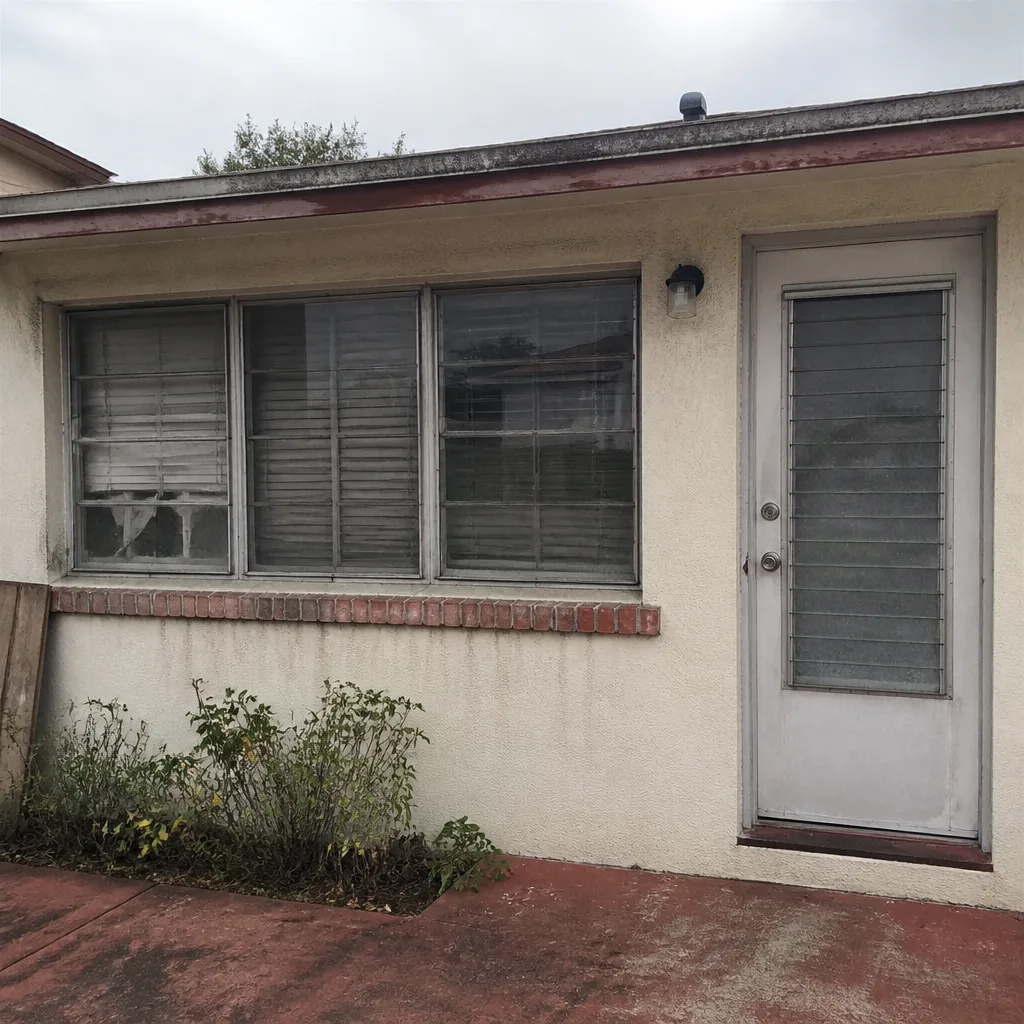 Before
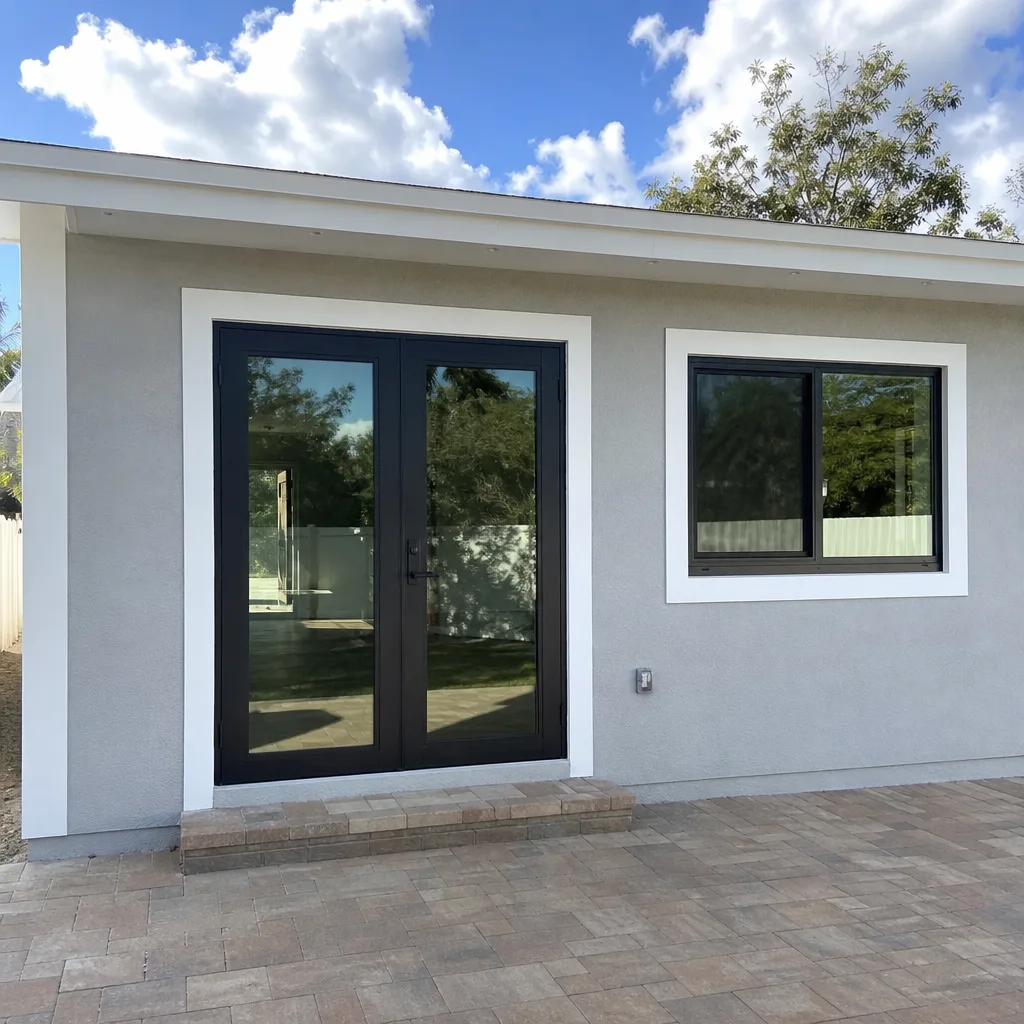 After
After Before
 After
After Before
 After
AfterHow to Hire a Windows & Doors Contractor in Opa-locka: A Step-by-Step Guide
Florida’s DBPR license lookup shows “active” status for thousands of contractors who are not authorized to pull permits in Miami-Dade County. The county maintains a separate contractor certification database, and most homeowners in Opa-locka never run that second search. In this guide, you’ll learn the exact two-database verification process, how to read a quote document for competence, and the red flags specific to the Opa-locka market that separate legitimate contractors from operators who will cost you time, money, and code compliance. For more guides & resources, visit our blog.
Quick Answer
To hire a windows and doors contractor in Opa-locka, verify both the Florida DBPR state license and the Miami-Dade County contractor certification, request an itemized written quote that matches your measured survey, confirm liability insurance covers impact-rated installation work, and ask who pulls permits and who pays if inspections fail. The county’s dual-layer licensing exists because Miami-Dade’s wind-borne debris code (the strictest in Florida) requires local certification beyond state minimums.
Table of Contents
- Step 1: Verify Both Licenses - State and Miami-Dade County
- Step 2: Read the Quote Document Like a Professional
- Step 3: Confirm Insurance for Impact Window Work
- Opa-locka Market Red Flags to Watch For
- Step 4: Map the Permit-to-Inspection Timeline
- Step 5: Verify Product Lines and Specifications
- Common Mistakes to Avoid
- When to Call a Professional
- Frequently Asked Questions
- The Bottom Line
 Before
 After
AfterStep 1: Verify Both Licenses - State and Miami-Dade County
Every contractor who knocks on your door in Opa-locka needs two valid credentials, not one. The Florida Department of Business and Professional Regulation (DBPR) issues the state license. Miami-Dade County issues a separate certification. A contractor can hold an active DBPR license and still be barred from pulling permits in your zip code.
Here’s how to run both checks:
- DBPR State License Check: Visit
myfloridalicense.comand search by the contractor’s name or license number. Verify status is “Active,” the license type matches the work (Certified General Contractor, Certified Building Contractor, or Registered Contractor), and there are no current complaints or disciplinary actions. Write down the license number; you’ll need it for the county check. - Miami-Dade County Certification Check: Visit
miamidade.govand navigate to the Contractor Licensing section. Search the same license number. Look for “Certified” status in Miami-Dade specifically, not just “Registered” elsewhere in Florida. The county database will show expiration dates, bond status, and any local holds or suspensions.
We’ve seen contractors in the Opa-locka area present a valid DBPR card and assume homeowners won’t ask for the county certification. Some don’t know they need it themselves. Others know exactly what they’re doing. The county certification matters because Miami-Dade’s wind-borne debris requirements, updated after Hurricane Andrew, exceed Florida’s statewide building code. Only county-certified contractors have demonstrated competency in those specific provisions.
At Sightline Windows & Doors Opa-locka home, our license numbers appear on every document we send, and we expect customers to verify them. Haven Clause 3 (Verified Crews) means the technician who arrives is the person on the county record, background-checked and uniformed, with that same license number visible.
Step 2: Read the Quote Document Like a Professional
The quote document reveals more about contractor competence than any sales pitch. A legitimate scope for window or door work in Opa-locka should read like a measured survey, not a menu price.
Here’s what to demand in writing:
- Opening-by-opening inventory: Each window or door listed by location (north bedroom, kitchen slider, garage service door) with rough opening dimensions, frame type, and existing condition noted.
- Product specification by performance tier: Manufacturer name, series, and performance values - U-factor, SHGC (Solar Heat Gain Coefficient), and design pressure rating for impact-rated units. In Opa-locka’s exposure zone, design pressure ratings typically run +50/-50 psf minimum for single-story openings, higher for multi-story or corner locations.
- Scope of work in sequence: Protect flooring, remove existing unit, inspect and repair rough opening, install new unit per manufacturer instructions, seal with approved sealant, install hardware, clean and remove debris.
- Permit and inspection line items: Who pulls the permit, which inspections apply (rough and final, or just final for replacement-in-kind), and who schedules them.
- Price by line item, not lump sum: Material, labor, permit fees, and any contingency for concealed damage (rotted sill, out-of-square opening) priced separately with trigger conditions.
- Payment schedule tied to verifiable milestones: Deposit, progress payment, final payment - each linked to completion of specific work, not calendar dates.
A lump-sum estimate with no opening inventory tells you the contractor hasn’t measured. They may intend to “figure it out on site” and change-order you later. Or they may plan to install whatever unit fits, regardless of specification.
At Sightline, the measured survey and the quote are the same document. Haven Clause 1 (Have it in writing) means the price you see before any work starts is the price on the final invoice. The customer keeps the measured survey. The written scope cannot differ from it. This isn’t a courtesy; it’s the founding principle of the company since 2012, and it’s how we’ve completed 18,000+ openings without a price dispute.
If a contractor presents a competitor’s quote and asks you to sign immediately, that’s a pressure tactic, not a pricing strategy. Our Free Second Opinion on Any Written Estimate exists precisely because we want customers to compare documented scopes, not salesmanship.
Step 3: Confirm Insurance for Impact Window Work
General liability insurance is not generic. A contractor carrying the state minimum may be underinsured for impact window installation in Miami-Dade, where a dropped unit from a second-story opening or improper installation that fails during a named storm can create six-figure liability.
Request a Certificate of Insurance (COI) directly from the contractor’s insurance agent, not from the contractor. The COI should name you as certificate holder for the project duration. Verify these specifics:
- General liability limit: Minimum $1 million per occurrence, $2 million aggregate. For multi-unit or commercial-adjacent residential work in Opa-locka, we see $2 million/$4 million as appropriate.
- Products-completed operations coverage: This covers failure of installed work after the crew leaves. Some policies exclude this for glazing contractors; verify it’s included.
- Workers’ compensation: Florida requires it for construction businesses with employees. If the contractor has no employees, request a written affidavit of exemption and verify it with the state.
- Commercial auto: Covers the vehicle transporting your units. Delivery damage before installation is more common than most homeowners realize.
Impact-rated window and door installation carries specific risks that standard handyman liability may not cover. The units are heavier, the fasteners are specialized, and the failure mode in a storm event creates exposure beyond ordinary construction defect. Ask your insurance agent to review the contractor’s COI if you’re uncertain.
Sightline maintains coverage appropriate to the work we perform, and we provide COIs on request without delay. Documentation is standard, not an upsell.
Opa-locka Market Red Flags to Watch For
The Opa-locka window and door market has patterns that don’t appear in generic hiring guides. After 18,000 installations across South Florida, we’ve documented these specific risks in our Seasonal Windows & Doors Care for Opa-locka: Year-Round Homeowner’s Guide and related resources:
Unlicensed subs on permitted jobs. A licensed contractor pulls your permit, then sends an unlicensed crew to perform the work. The permit holder never visits the site. Miami-Dade requires the permit holder or a designated qualifier to supervise work; “supervision” has a legal definition that includes regular site visits. Ask who will be on site, their license status, and how often the permit holder inspects progress. Get it in writing.
Permit-by-owner schemes. A contractor tells you to pull the permit as “owner-builder” to save money or speed the process. This makes you legally responsible for code compliance, inspection scheduling, and any defects. If the contractor won’t pull their own permit, they may be unlicensed in Miami-Dade, or they may have holds on their certification. Either way, the risk transfers to you.
Post-hurricane storm chasers. After any named storm, out-of-state contractors appear with Florida license numbers rented or borrowed. Verify the license holder’s business address matches local presence. Check how long the license has been active. A license issued three weeks before Hurricane Season is a red flag. Ask for local references from jobs completed more than 12 months prior, not just recent work.
“Impact-rated” claims without documentation. Miami-Dade requires impact-rated products to carry a Notice of Acceptance (NOA) from the county. The NOA specifies exact product configurations, including glazing, frame, and hardware. A contractor claiming “hurricane protection” without showing you the NOA for your specific unit configuration may be installing non-rated products or mixing approved and non-approved components. Request the NOA number and verify it on the county’s product control database.
Deposit demands above statutory limits. Florida limits residential construction deposits to 10% or $1,000, whichever is less, before work begins. A contractor demanding 50% upfront is either undercapitalized or planning to disappear. The exception: custom-ordered impact units may require manufacturer deposits, but these should be documented with manufacturer invoices, not absorbed into a vague “materials” line item.
Step 4: Map the Permit-to-Inspection Timeline
Window and door replacement in Opa-locka requires Miami-Dade Building Department permits for any unit change, including replacement-in-kind if the opening dimensions change by more than 1/2 inch. Understanding the timeline prevents contractors from blaming “the county” for delays they caused.
Standard permit-to-completion sequence:
- Measured survey and quote: 1-2 days. The contractor documents existing conditions and produces the itemized scope.
- Permit application: 1-3 business days if submitted electronically with complete documentation. Incomplete applications trigger “corrections required” cycles that add 5-10 days each.
- Permit issuance: 3-10 business days for residential window/door replacement, depending on Miami-Dade Building Department queue. No contractor can expedite this legally; anyone claiming “priority” status with the county is misrepresenting the process.
- Installation: 1-3 days for typical residential scope (4-12 openings).
- Inspection scheduling: 1-3 business days for available slots. Miami-Dade offers online scheduling; the permit holder or designated agent must request the inspection.
- Final inspection: Pass, conditional pass, or fail. Failures require correction and re-inspection, typically 3-5 additional business days.
Total realistic timeline: 3-6 weeks from signed contract to final inspection, assuming no product delays or corrections. Any contractor promising 1-week completion for permitted work is either skipping permits or has not done this before.
The critical question most homeowners forget: Who pays if an inspection fails?
Inspection failures in Opa-locka typically stem from: improper fastener spacing or type, missing or incorrect sealant, product substitutions not matching the approved plans, or field modifications (notching studs, altering header support) without engineering approval. The contractor caused these; the contractor should correct them at their expense. Get this in writing before work starts. At Sightline, Haven Clause 5 (No surprises) governs: if we fail inspection, we correct and re-inspect at our cost. The 365-Day Done Right Promise extends this beyond the inspection date.
Ask also who schedules inspections and who must be present. Some contractors dump this on homeowners. Others handle it as part of project management. The difference reveals how the contractor views their role.
Step 5: Verify Product Lines and Specifications
Not every window or door suits every opening. Opa-locka’s climate - salt air exposure, intense solar gain, and hurricane risk - demands specific performance characteristics that generic “impact windows” may not deliver.
When a contractor specifies a product, ask these questions:
- What performance tier is this, and what does it cost to step up? Entry-level impact-rated units meet code minimums. Mid-tier adds thermal performance (lower U-factor, lower SHGC) that reduces cooling load. Premium tier adds custom dimensions, divided lites, or specific architectural finishes. A contractor who cannot explain the cost-to-performance steps is specifying by margin, not by opening requirement.
- Is this product in stock, or is it custom-ordered? Custom orders carry 8-16 week lead times. If your contractor promises 3-week installation with a custom unit, verify the manufacturer commitment in writing.
- What is the warranty chain? Manufacturer warranty covers product defects. Installation warranty covers labor and workmanship. They are separate documents with separate claim procedures. A “lifetime warranty” that only covers the manufacturer’s frame, not the installation, leaves you paying for removal and reinstallation if the glazing fails.
- Can I see this unit installed locally? Reputable contractors maintain reference lists. In Opa-locka and nearby neighborhoods, we’ve installed PGT and CGI products in homes where the specific exposure conditions match prospective customers’ situations. Seeing a unit after 3-5 years of South Florida exposure tells you more than any showroom display.
Sightline specifies from eight manufacturer lines - PGT, CGI, CWS, ES Windows, ECO Window Systems, Mr-Glass, Therma-Tru, and ViewLux - selected by what the opening requires, not by what is in stock. We document the specification in the measured survey, and the customer approves it before ordering. No substitutions without written approval. That’s Haven Clause 1 in practice.
For window installation in Opa-locka or door installation in Opa-locka, the product specification process should feel like engineering, not sales. If it doesn’t, you’re talking to the wrong contractor.
Common Mistakes to Avoid
- Verifying only the state license. The DBPR check is necessary but not sufficient. Miami-Dade County certification is the permit-pulling credential, and it’s a separate database. Run both, every time.
- Accepting a quote without opening dimensions. A price without a measured survey is a guess, not a contract. The final invoice will almost certainly exceed it.
- Paying deposits above Florida’s legal limit. Ten percent or $1,000, whichever is less, before work begins. Anything higher is either illegal or a sign of contractor financial distress.
- Assuming “impact-rated” means the same thing across products. Design pressure ratings, missile impact levels, and NOA configurations vary. A unit rated for Tampa may not meet Miami-Dade’s requirements. Verify the NOA against your specific opening conditions.
- Not asking who pays for failed inspections. This separates contractors who plan for quality from those who plan for rework. Get the answer in writing before signing.
- Hiring based on lowest price alone. In Opa-locka’s market, the lowest quote typically omits permit costs, uses non-impact-rated products, or plans change orders after demo reveals “unforeseen conditions” that a competent survey would have caught.
- Ignoring the permit status after installation. Request the final inspection approval letter or certificate of completion. Unclosed permits create title issues when you sell. Verify the permit is finaled, not just “passed inspection verbally.”
When to Call a Professional
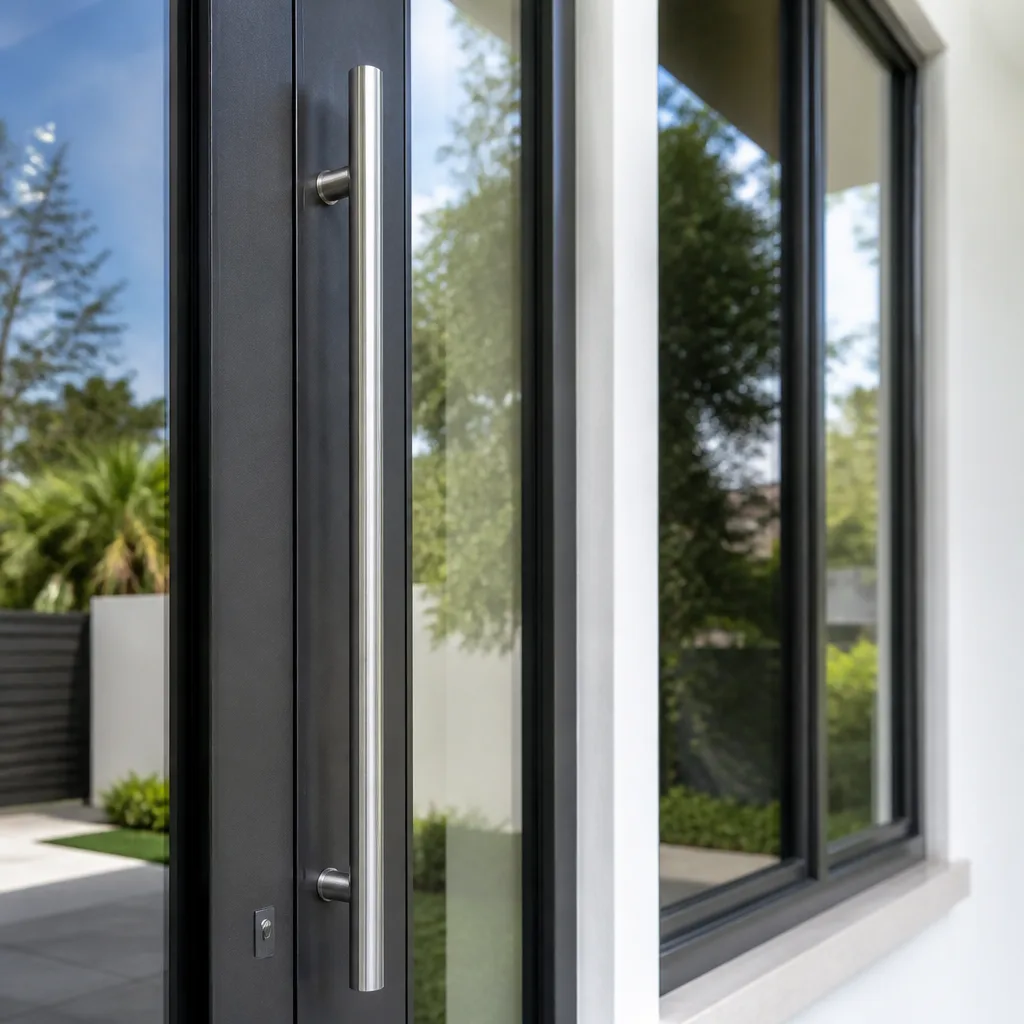
Call a licensed, county-certified windows and doors contractor when: your existing units show seal failure (fogging between panes), frame corrosion, or operational failure; you’re replacing standard windows with impact-rated units for hurricane protection or insurance mitigation credits; you’re selling your home and a pre-listing inspection flagged window or door deficiencies; or you’re renovating and need to match new units with existing sightlines for aesthetic continuity. See our Window Installation Maintenance Checklist for Opa-locka Homeowners for full details.
Don’t attempt DIY removal of impact-rated units. The frames are heavier, the fasteners are structural, and improper handling can damage the glazing laminate or compromise the design pressure rating. What looks like a simple swap often involves structural attachment requirements that aren’t visible until the trim comes off.
Sightline Windows & Doors Opa-locka offers free estimates in Opa-locka. Call (786) 671-8642 to schedule your measured survey. You’ll receive the written scope to keep, and the quote will match it exactly.
Frequently Asked Questions
Window replacement in Opa-locka typically ranges from $650 to $1,400 per opening for impact-rated vinyl units, with aluminum-frame impact units running $850 to $1,800 per opening depending on size, design pressure rating, and installation complexity. For a complete Windows & Doors Cost Breakdown: The Opa-locka Homeowner’s Reference for 2026, see our dedicated guide. Second-story openings, custom dimensions, and structural modifications to the rough opening add cost. Call (786) 671-8642 for an exact quote based on your measured survey - estimates are free.
Search the contractor’s license number in both the Florida DBPR database at myfloridalicense.com and the Miami-Dade County contractor certification database at miamidade.gov. The state license must show “Active” status, and the county database must show “Certified” specifically for Miami-Dade. Both must be valid on your project start date; either one expired or on hold means no permits can be issued.
With a competent contractor, the price should not change unless you request changes or concealed damage is found and documented. At Sightline, the measured survey and written quote are the same document. If we find rotted framing or an out-of-square opening during installation, we document it with photos, explain the scope and cost before proceeding, and obtain written approval. No surprises, no open-ended “time and materials” clauses.
Sightline pulls all permits as part of standard project management. The permit is in our name, we schedule inspections, and we correct any failures at our cost. If a contractor asks you to pull the permit as “owner-builder,” that is a red flag indicating they may lack Miami-Dade certification or have holds on their license.
Realistic timeline is 3-6 weeks from signed contract to final inspection: 1-2 days for measured survey and quote, 1-3 days for permit application, 3-10 days for Miami-Dade issuance, 1-3 days for installation, and 1-3 days for inspection scheduling with potential re-inspection if corrections are needed. Anyone promising significantly faster completion for permitted work is either misinformed or planning to operate without permits.
The contractor should correct the deficiency and schedule re-inspection at their expense. Common failure causes include improper fastener type or spacing, missing approved sealant, or product substitutions not matching the approved plans. At Sightline, inspection failures are covered under Haven Clause 5 (No surprises) and the 365-Day Done Right Promise. We correct, re-inspect, and document the resolution in your photo record.
The Bottom Line

Hiring a windows and doors contractor in Opa-locka requires verifying two separate licenses, reading the quote document as a technical specification rather than a sales sheet, confirming insurance appropriate to impact-rated installation, and mapping who owns each step of the permit-to-inspection process. The contractors who earn your business will welcome this scrutiny. Those who resist it have something to hide. Start with the DBPR and Miami-Dade databases, demand an itemized written scope, and never pay more than the legal deposit limit before work begins. The time you spend on verification prevents the costly errors that follow from haste.
Written by Sonia Raman, Owner at Sightline Windows & Doors Opa-locka, serving Opa-locka since 2012.