
Last updated September 24, 2026
Free in-home measure and quote - PGT, CGI and CWS impact lines compared on your actual openings, style by style
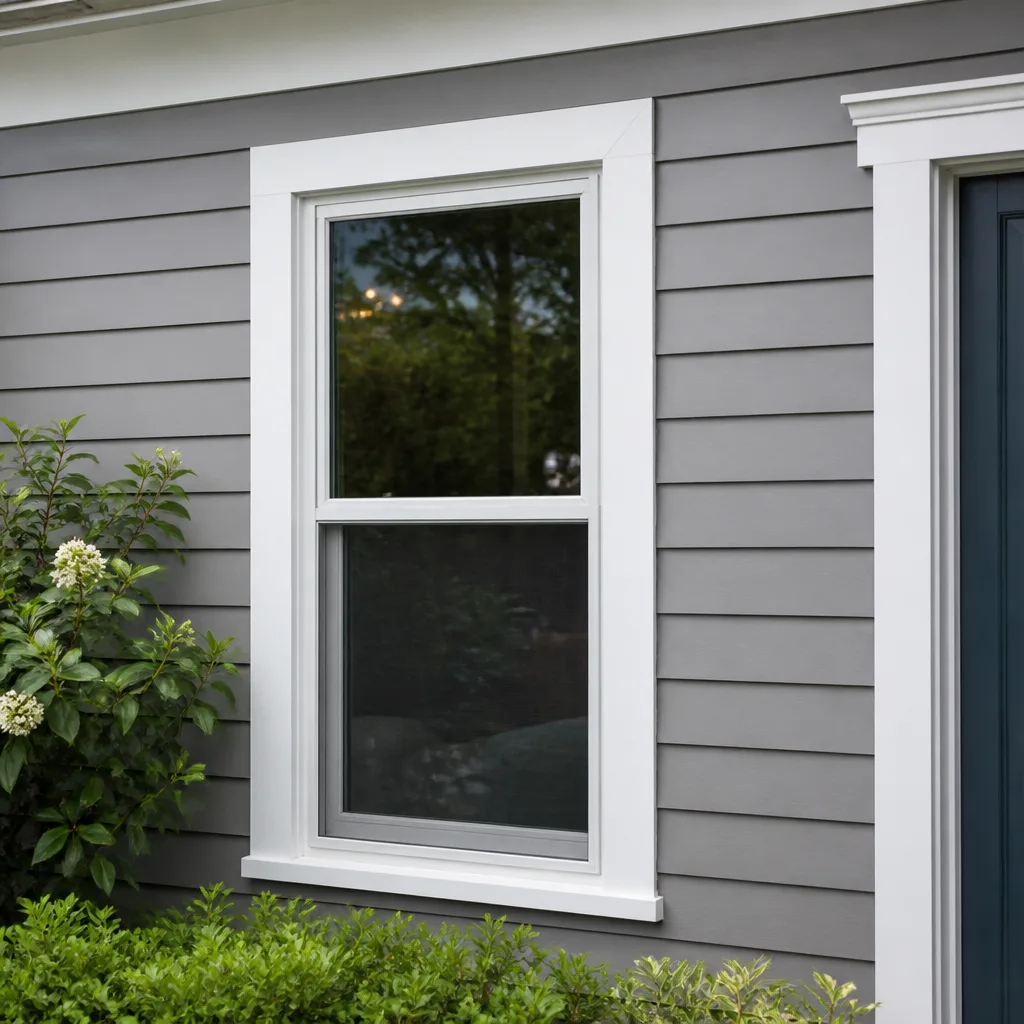
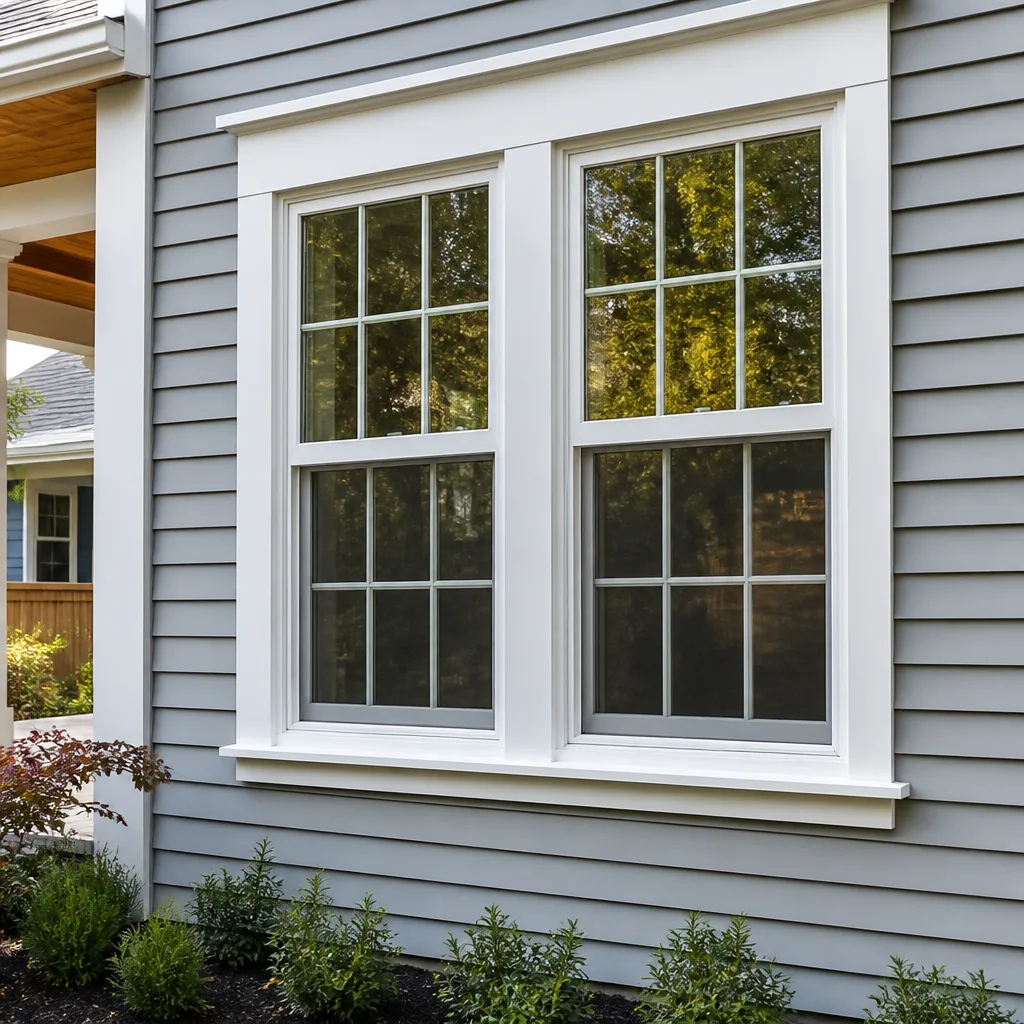
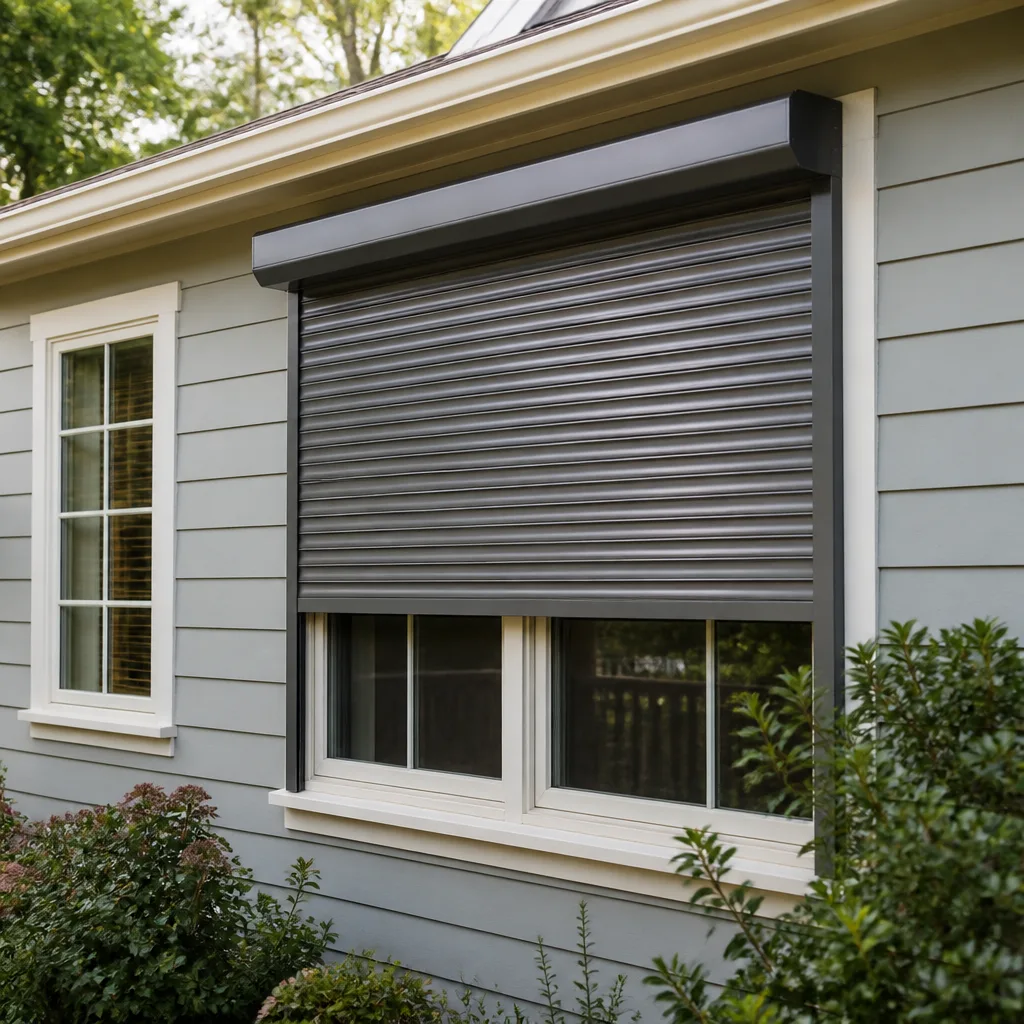
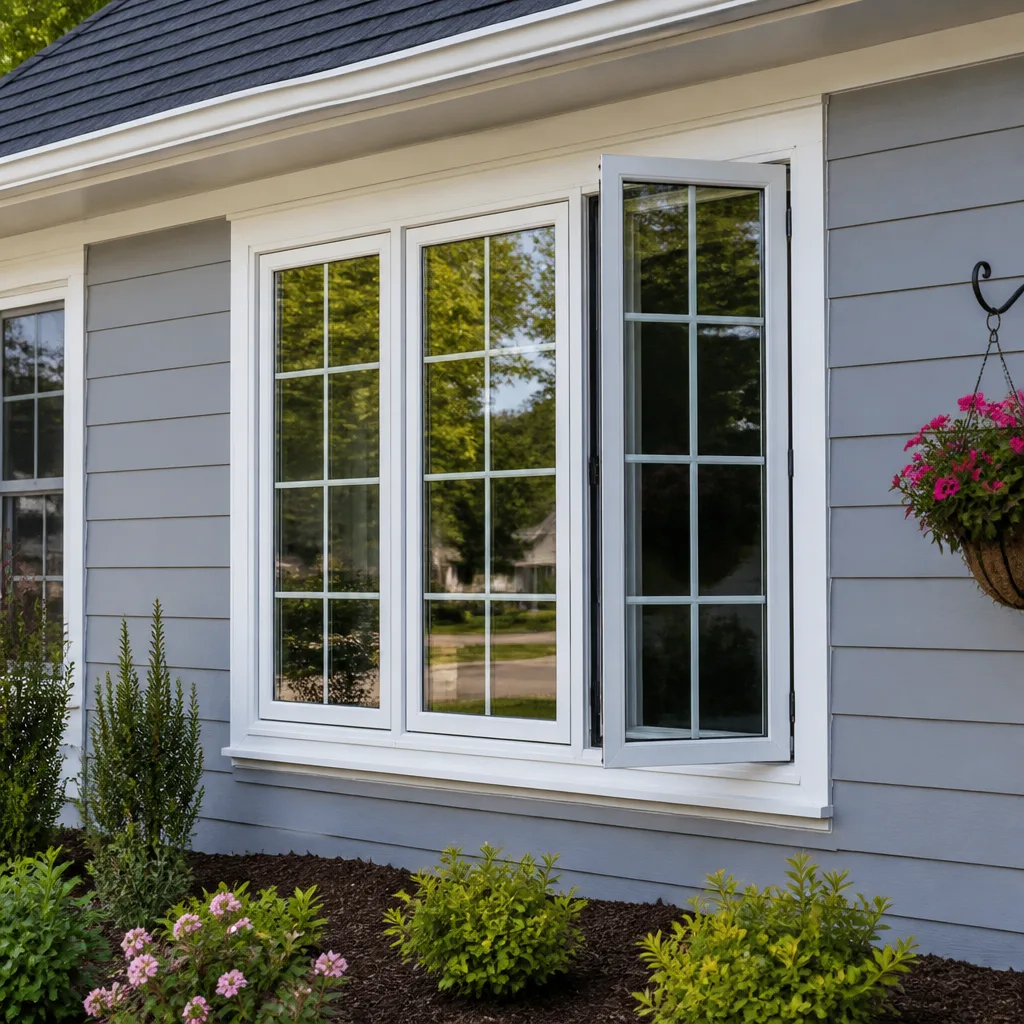
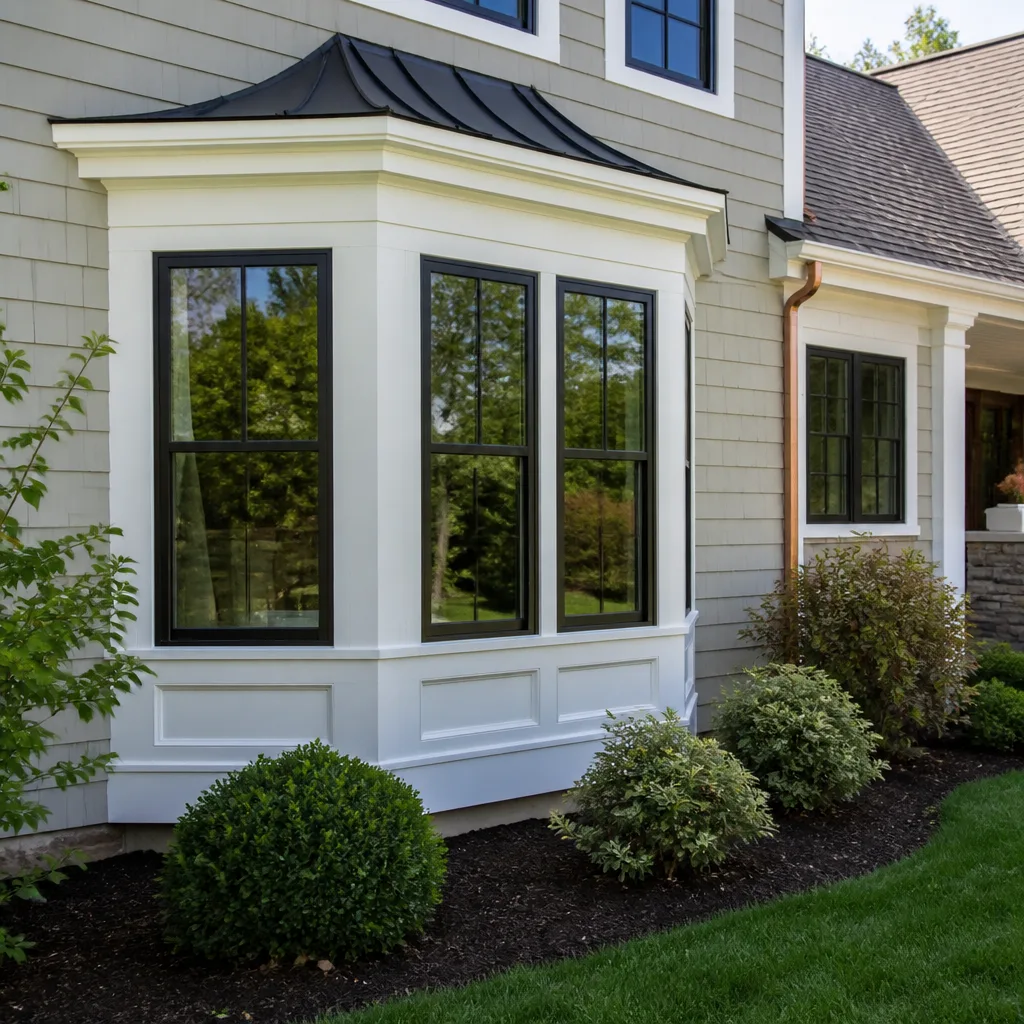
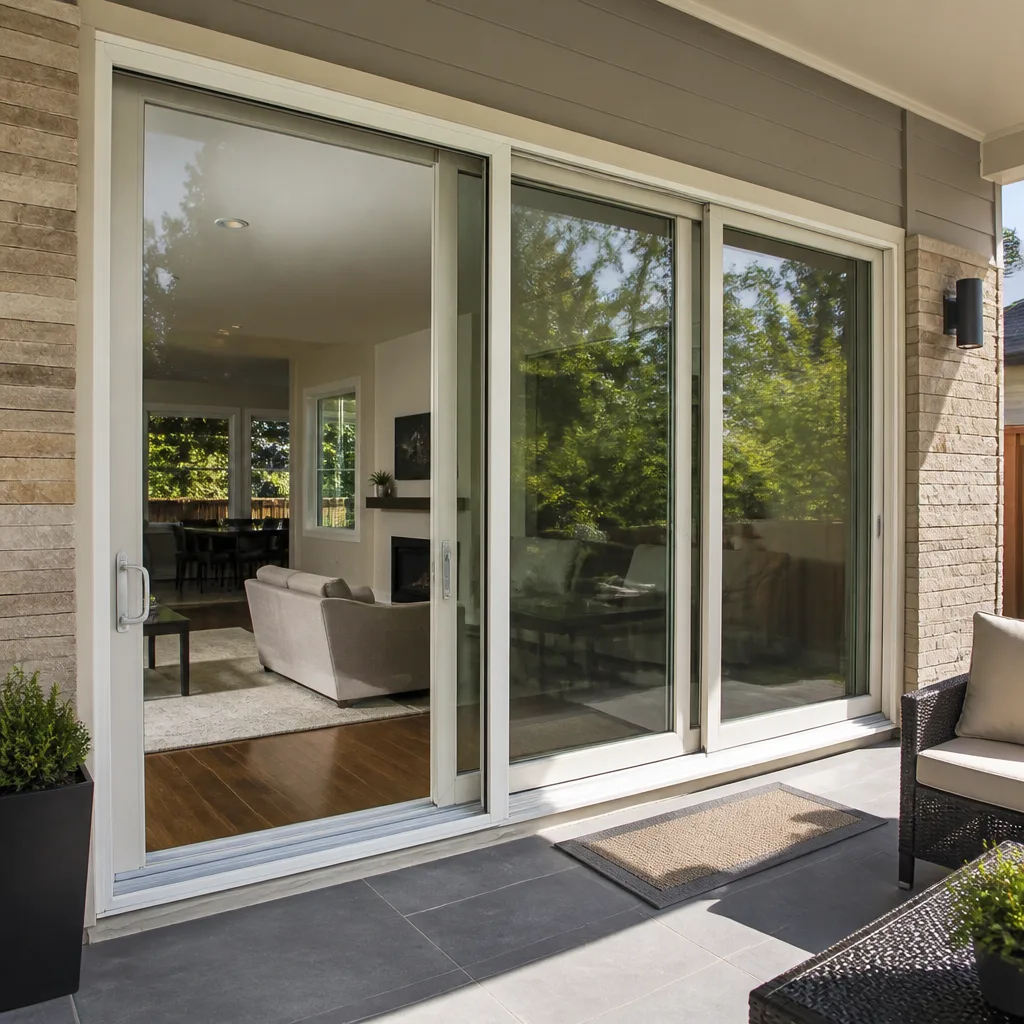
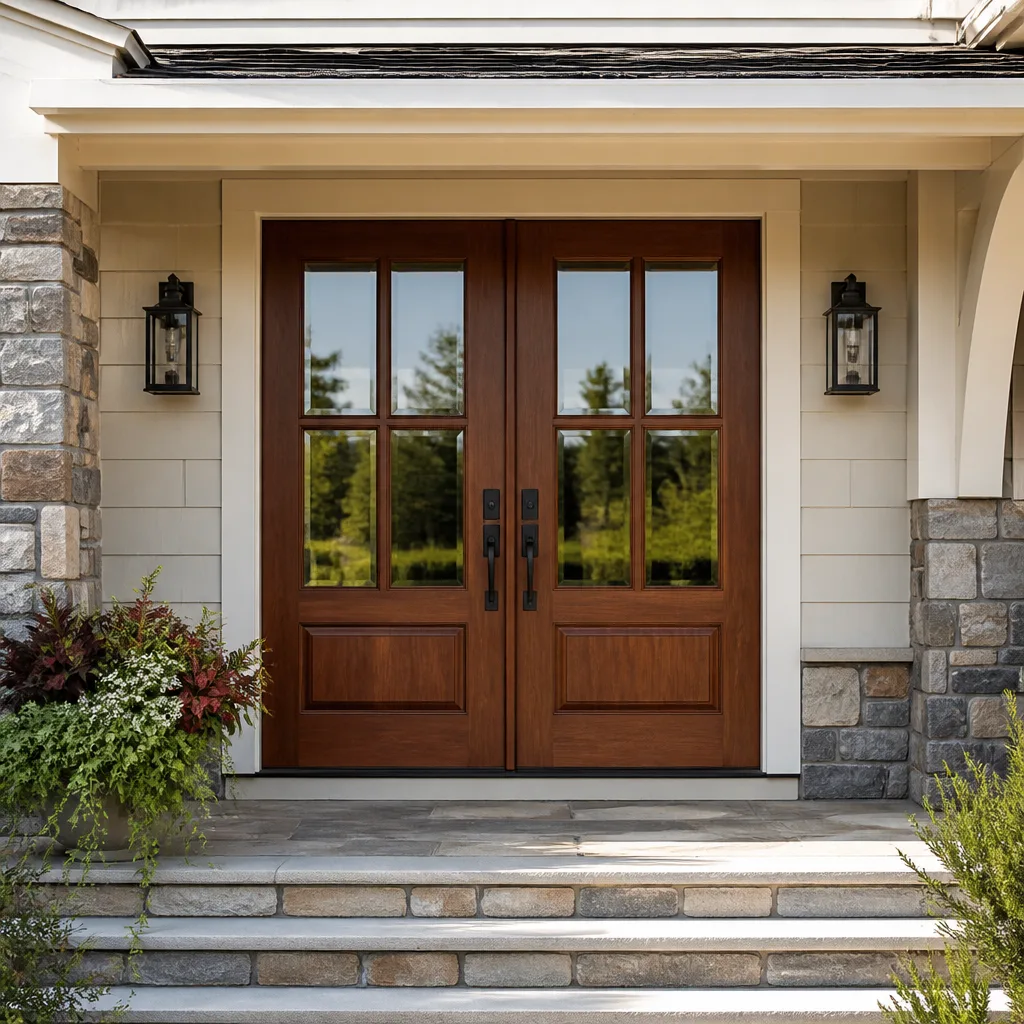
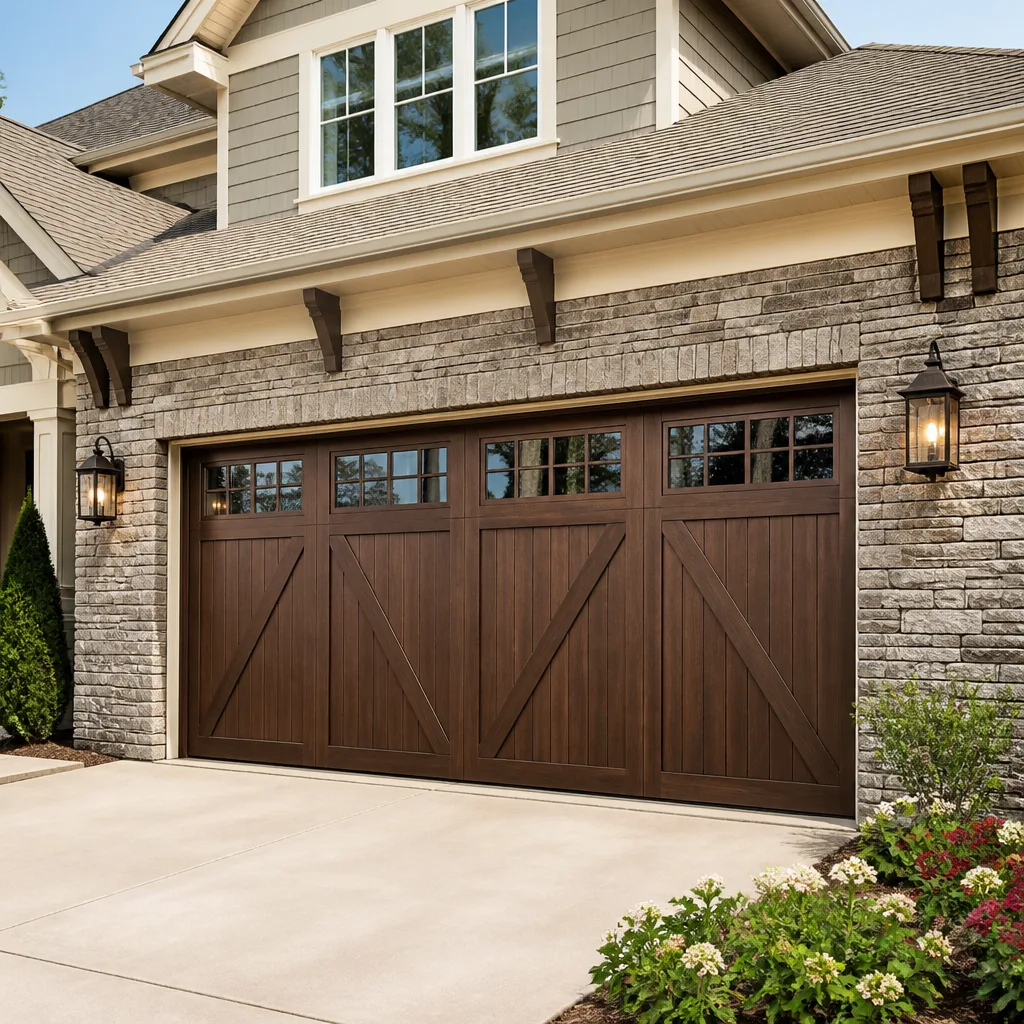
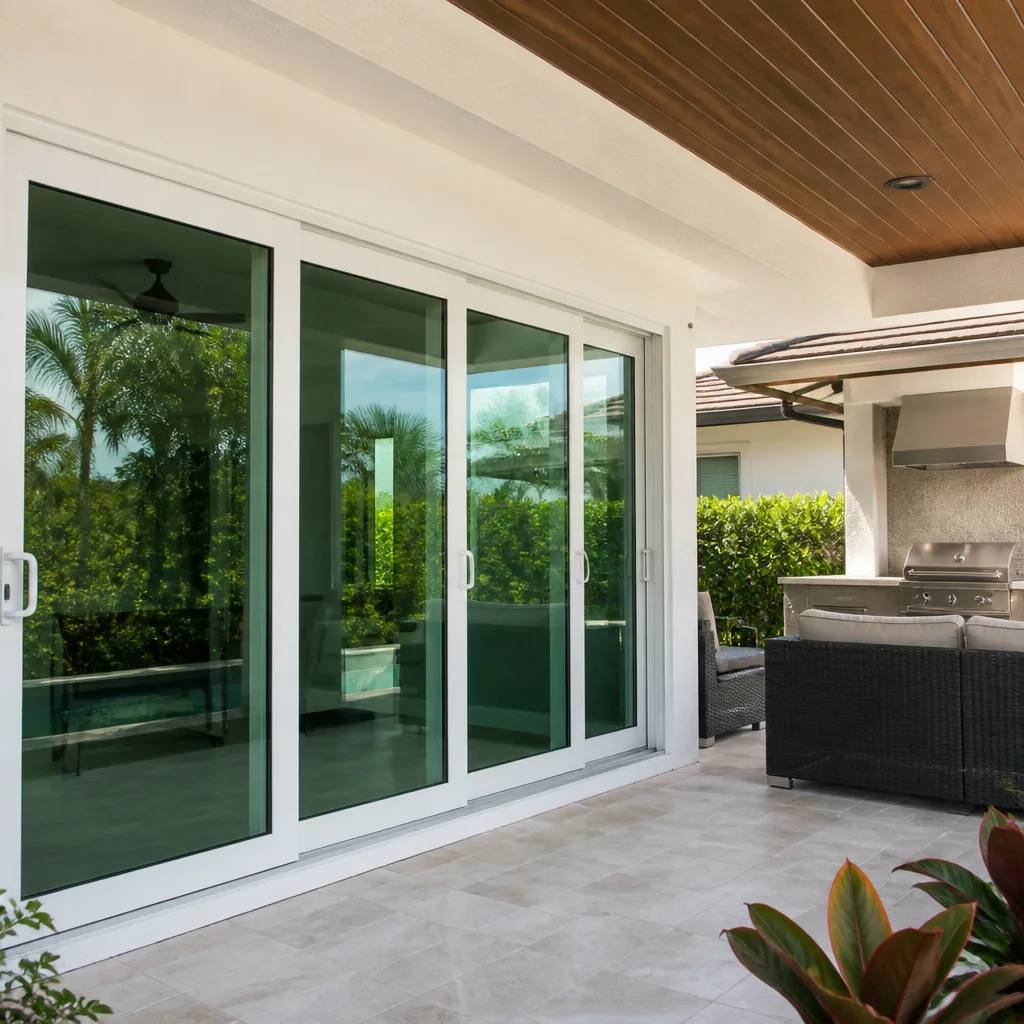
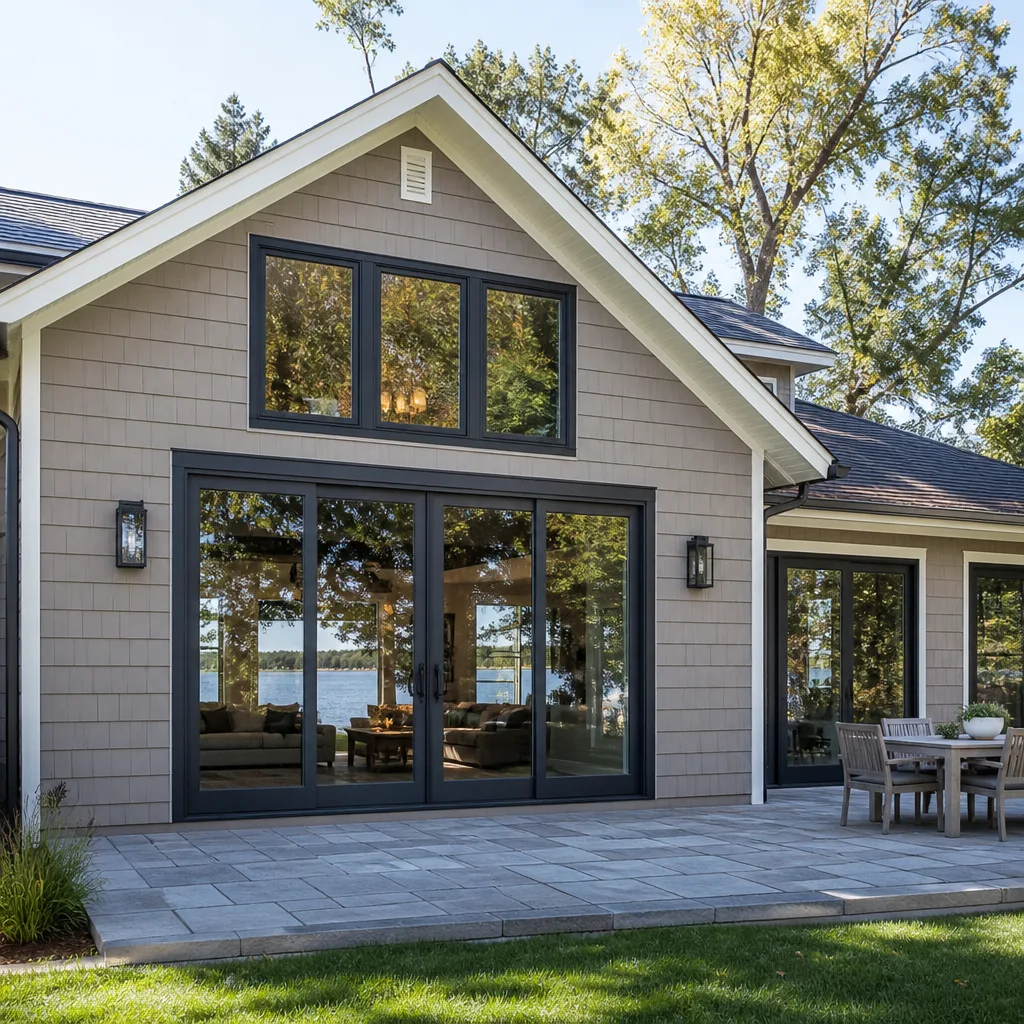
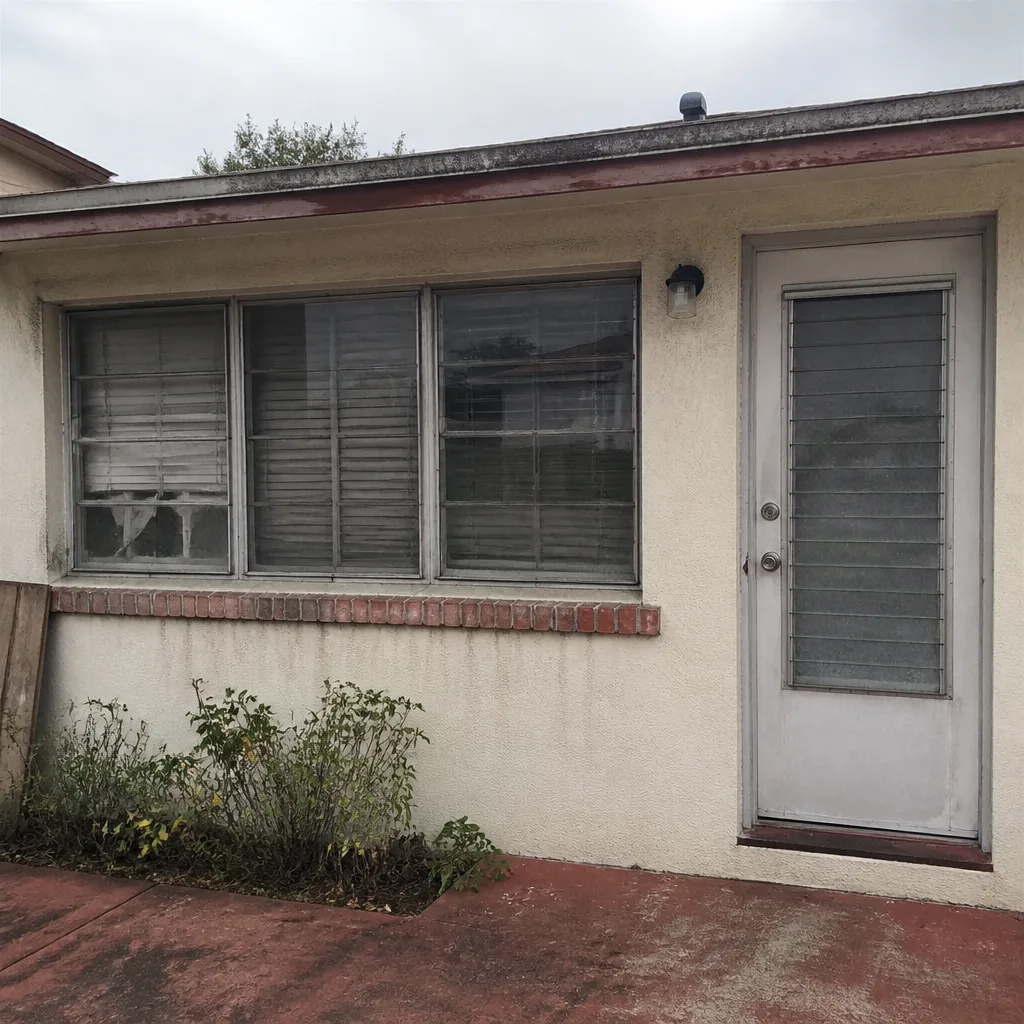 Before
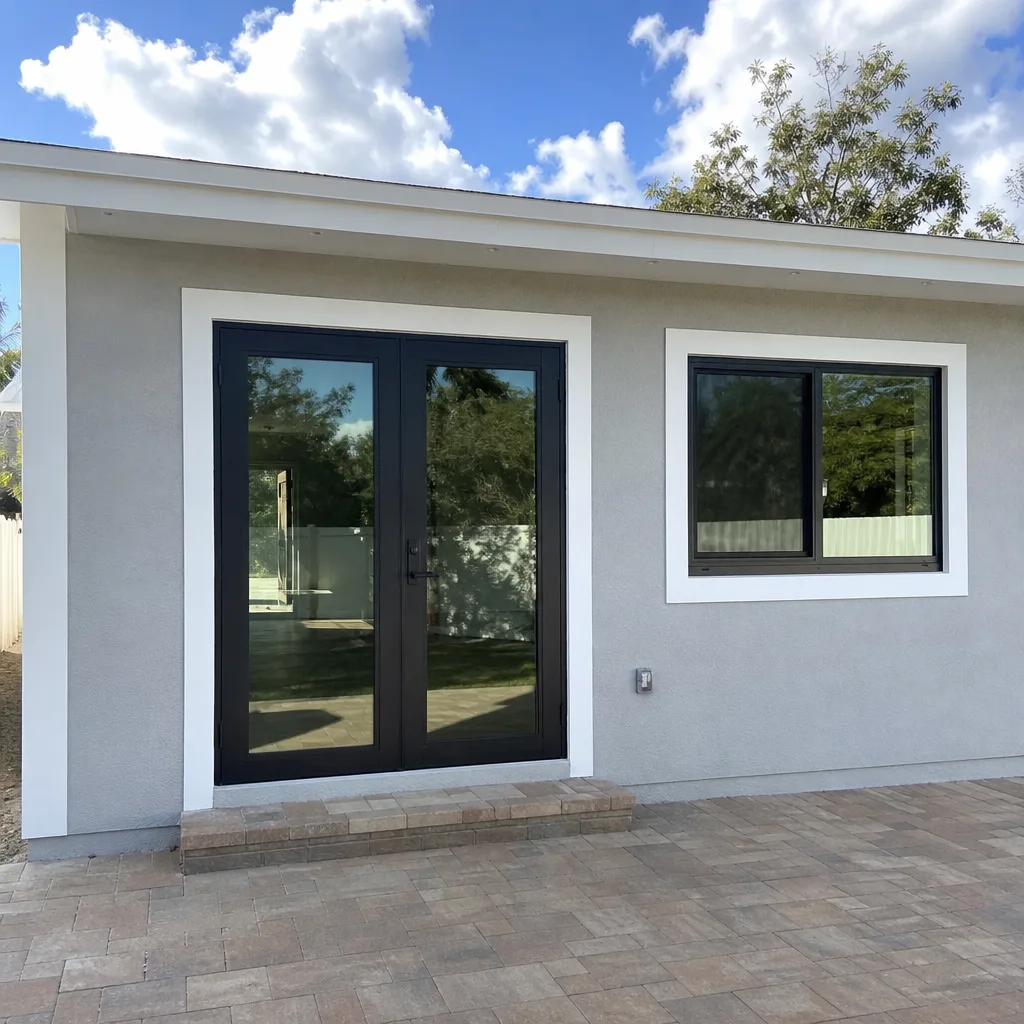 After
After Before
 After
After Before
 After
AfterThe Complete Guide to Windows & Doors in Opa-locka
Opa-locka sits inside Miami-Dade County’s High-Velocity Hurricane Zone - a designation that eliminates roughly 60% of window products sold at national home-improvement chains from legal use here. The 33054 and 33055 zip codes carry a triple burden: salt air from Biscayne Bay, heat-island effects from industrial zoning and sparse tree canopy, and persistent low-frequency noise from Opa-locka Executive Airport (OPF) flight paths. In this guide, we’ll map the code requirements, acoustic considerations, material science, and pricing structures that actually govern window and door selection in this specific market, and point you to more guides & resources for related topics. What you’ll find below applies to Opa-locka homes, not to Orlando, not to Tampa, and certainly not to the generic “South Florida” advice that dominates search results.
Quick Answer
Windows and doors in Opa-locka must carry Miami-Dade Notice of Acceptance (NOA) approval for impact resistance, should specify STC 30+ acoustic ratings due to OPF airport proximity, and typically cost $890-$2,400 per opening for vinyl impact windows and $1,800-$4,500 for aluminum impact doors installed. Frame material selection should prioritize thermal break aluminum or reinforced vinyl rated for salt-air exposure, with U-factors below 0.30 and SHGC below 0.25 for the local climate.
Table of Contents
- Why Miami-Dade NOA Approval Is a Hard Legal Requirement in Opa-locka
- How OPF Airport Proximity Affects Your Window and Door Specifications
- Miami-Dade vs. Florida Statewide Product Approval
- Frame Materials for Opa-locka’s Salt-Air and Heat-Island Conditions
- What Windows and Doors Cost in Opa-locka
- How the Measured Survey Prevents Mid-Job Change Orders
- The Installation Process: What to Expect
- Selecting Products by Performance Tier
 Before
 After
AfterWhy Miami-Dade NOA Approval Is a Hard Legal Requirement in Opa-locka
Opa-locka is not in a hurricane-prone area. It is in the most stringently tested hurricane zone in the United States. Miami-Dade County’s High-Velocity Hurricane Zone (HVHZ) requires that every exterior window, door, and glazed opening pass the TAS 201, 202, and 203 test protocols - large-missile impact, cyclic pressure loading, and structural verification. The county issues a Notice of Acceptance (NOA) only after independent laboratory testing and county engineering review. No NOA means no permit. No permit means no inspection. No inspection means no certificate of completion.
We’ve measured openings in Opa-locka where homeowners purchased “impact-rated” products online, only to discover the label carried Florida Product Approval but not Miami-Dade NOA. The distinction matters because Miami-Dade’s testing protocol is more severe. A window that passes statewide Florida approval at 50 psf may fail Miami-Dade’s 60 psf requirement. The product sits in the garage. The permit is denied. The homeowner absorbs the restocking fee.
The NOA document itself contains critical information: design pressure rating, maximum span dimensions, approved fastening patterns, and substrate requirements. We attach a copy to every quote we write in Opa-locka. Haven Clause 1 - Have it in writing - extends to the product certification, not just the price.
Key elements to verify on any NOA:
- The NOA number is current and not expired or superseded
- The product size you need falls within the approved maximum dimensions
- The installation method matches your wall construction (concrete block, wood frame, or steel stud)
- The glazing thickness and interlayer specification match what was tested
In Opa-locka’s 33054 zip code, we’ve encountered homes built during the 1920s aviation boom with unconventional wall assemblies. Standard NOA fastening patterns don’t always apply. When we find this, we document the deviation, engineer a solution, and submit it with the permit application. The photo record becomes part of the evidence package.
How OPF Airport Proximity Affects Your Window and Door Specifications
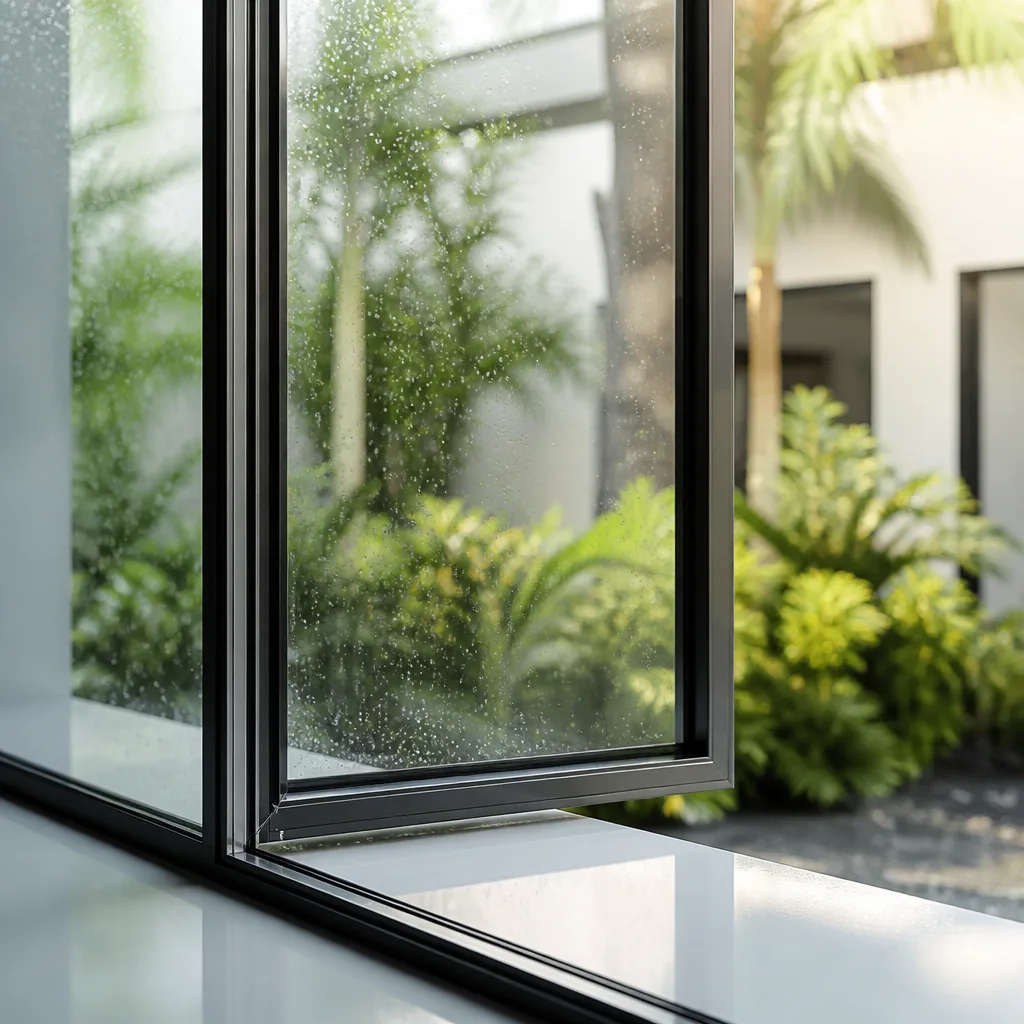
Opa-locka Executive Airport (OPF) operates 24 hours with a mix of corporate jets, cargo aircraft, and military traffic. The flight path corridor over the 33055 area generates low-frequency noise in the 80-100 Hz range - the band that standard windows attenuate poorly. A standard single-pane window with an STC (Sound Transmission Class) rating of 25-27 will reduce overall decibel levels, but the rumble penetrates. Residents describe it as “feeling the plane” rather than hearing it.
For Opa-locka homes under active flight paths, we specify laminated impact glass with acoustic interlayers. Standard laminated glass uses a 0.030-inch PVB interlayer. Acoustic laminated glass uses a softer, thicker interlayer - typically 0.060-inch or greater - that dampens vibration across the frequency spectrum. The STC improvement is typically 4-6 points, moving from STC 28 to STC 32-34. That shift changes the subjective experience from intrusive to background.
Not every home in Opa-locka needs acoustic glazing. We measure the actual noise environment during our survey, not guess based on map distance. Homes north of NW 135th Street, closer to the airport’s southern approach, experience different exposure than homes near Magnolia North. The measured survey includes a decibel reading at the opening. The specification follows the measurement.
Door specifications matter equally. Sliding glass doors with standard weatherstripping achieve STC ratings 2-4 points below fixed windows of the same glazing. For bedrooms facing the flight path, we may specify a hinged French door with compression seals rather than a sliding system, or recommend an upgrade to triple-track configurations with enhanced brush seals.
Products we’ve specified for acoustic performance in Opa-locka include ES Windows’ acoustic laminated line and ECO Window Systems’ enhanced STC packages. Both carry Miami-Dade NOA approval with the acoustic interlayer as a listed option, not an aftermarket modification that voids certification.
Miami-Dade vs. Florida Statewide Product Approval
Florida maintains two parallel product approval systems. Understanding which governs your project prevents expensive misalignment.
Florida Product Approval is administered by the Florida Building Commission. It verifies compliance with the Florida Building Code and is valid in all counties except those with more stringent local amendments. The approval is based on ASTM E1886 and E1996 testing protocols.
Miami-Dade Notice of Acceptance is administered by the Miami-Dade County Building Code Compliance Office. It requires TAS 201, 202, and 203 testing - protocols developed by the county after Hurricane Andrew and adopted by the state only in modified form. TAS testing uses larger missiles, higher pressures, and more severe cyclic loading than the statewide standard.
Opa-locka is unincorporated Miami-Dade County. The Miami-Dade Building Code applies. Florida Product Approval alone is insufficient for permit issuance. We’ve reviewed competitor quotes in Opa-locka where the specified product carried only statewide approval. The homeowner would discover the problem at permit application, typically 2-3 weeks into the project timeline.
The practical difference manifests in product availability. Roughly 40% of impact-rated products sold in Florida carry both approvals. Another 35% carry only Florida Product Approval - these are common in Orlando, Tampa, and Jacksonville markets. The remaining 25% carry only Miami-Dade NOA, typically because the manufacturer never sought statewide certification or the product exceeds statewide testing parameters.
When we write a quote for an Opa-locka opening, we verify the NOA status before the customer sees the price. Haven Clause 5 - No surprises - applies to code compliance as much as to cost.
Frame Materials for Opa-locka’s Salt-Air and Heat-Island Conditions
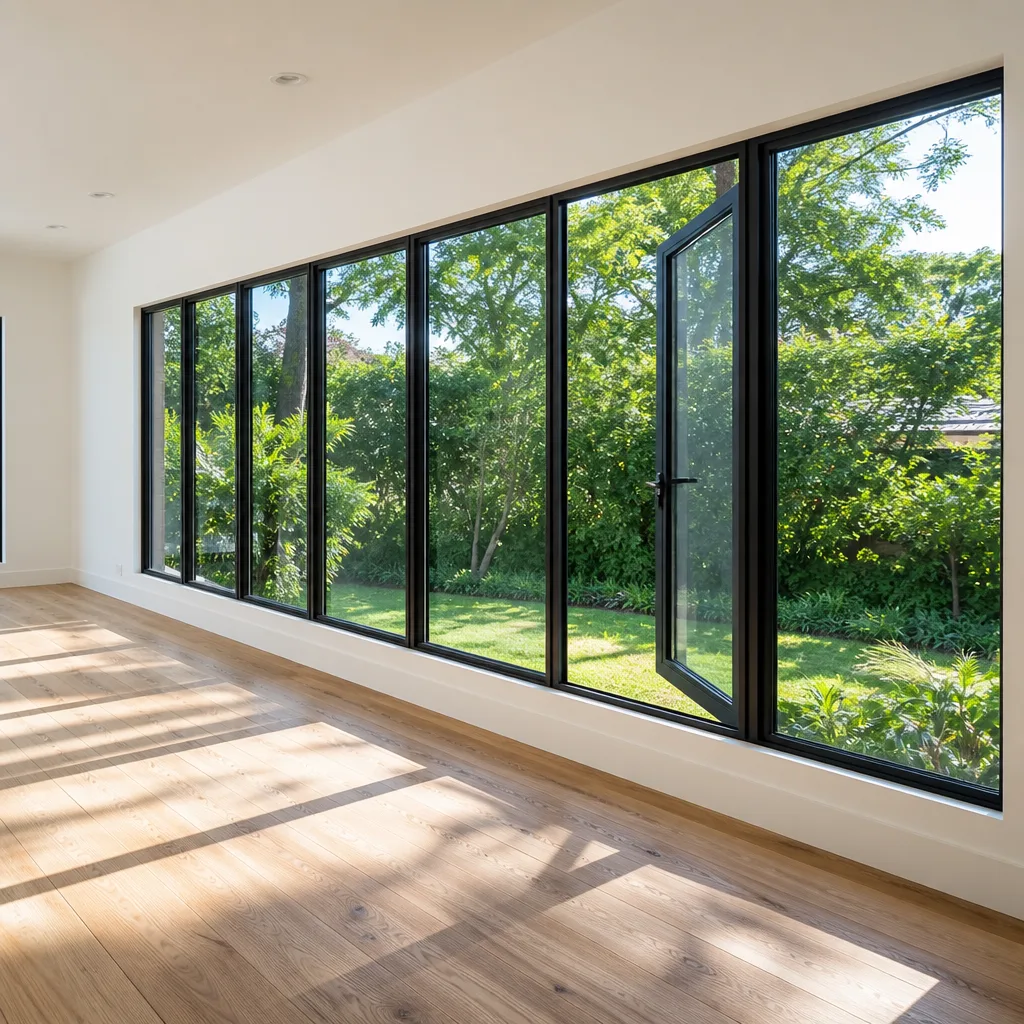
Opa-locka’s environmental profile differs from coastal Miami Beach or inland Kendall. The 33054/33055 area sits 3-5 miles from Biscayne Bay, close enough for salt-laden air but without the constant washing of ocean-front exposure. Industrial zoning creates heat-island effects: asphalt surfaces, limited vegetation, and building density raise ambient temperatures 3-7°F above the county average. Frame material selection must account for both.
Thermal Break Aluminum
Aluminum without thermal break conducts heat directly from exterior to interior. In Opa-locka’s heat-island conditions, non-thermal-break frames reach surface temperatures exceeding 140°F in summer. Interior condensation follows. The thermal break - a polyamide strip separating interior and exterior aluminum extrusions - reduces conductivity by 60-70%.
We specify thermal break aluminum for Opa-locka homes where frame sightlines must remain narrow, typically for modern or mid-century architecture. The material resists salt corrosion when anodized or fluoropolymer-coated. We avoid standard painted finishes within 5 miles of salt water; the coating fails at the edges first, then propagates.
Reinforced Vinyl
Vinyl frames with internal aluminum or steel reinforcement offer superior thermal performance at lower cost. The multi-chamber design creates insulating air spaces. In Opa-locka’s heat, we specify titanium dioxide-stabilized formulations that resist UV degradation and chalking. White and light-tan frames perform better than dark colors; we’ve measured 15-20°F surface temperature differences between white and bronze vinyl under identical solar exposure.
Vinyl’s limitation is expansion. A 72-inch vinyl frame in Opa-locka can expand 1/4 inch between winter morning and summer afternoon. Proper installation accounts for this with calculated clearances and flexible sealants. We’ve re-measured failed installations where the frame was shimmed tight against the rough opening; the pressure distorted the sash and compromised operation.
Composite and Hybrid Systems
Fiberglass-composite frames, such as those used in some Therma-Tru door systems, offer dimensional stability with thermal performance near vinyl. The material cost runs 30-50% above reinforced vinyl. We specify composites for large openings - 8-foot sliding doors, picture windows over 60 inches - where vinyl deflection would be problematic.
Frame material selection follows the measured survey, not a product preference. In Opa-locka’s Sherwood Forest neighborhood, we’ve installed thermal break aluminum for 1950s ranch homes with original steel windows. In Magnolia North, reinforced vinyl for 1980s concrete block construction. The opening dictates the specification.
What Windows and Doors Cost in Opa-locka
Impact-rated windows and doors in Opa-locka carry a cost premium over non-impact products, but the premium is narrower than many homeowners expect because the local market is competitive and the product volume is high - a dynamic explored in our DIY vs Professional Windows & Doors: The Opa-locka Homeowner’s Decision Guide. Below are the price ranges we quote for installed, permitted, and inspected work in the 33054/33055 area. These are written prices - Haven Clause 1 - based on measured surveys completed in 2023-2024.
| Product Category | Size Range | Installed Price Range | Key Variables |
|---|---|---|---|
| Single-hung vinyl impact window | 24″ x 36″ to 36″ x 72″ | $890 - $1,450 | U-factor, SHGC, acoustic upgrade |
| Horizontal roller vinyl impact window | 48″ x 36″ to 72″ x 48″ | $1,100 - $1,850 | Screen type, lock hardware grade |
| Picture/fixed vinyl impact window | 36″ x 48″ to 60″ x 96″ | $1,050 - $2,400 | Glass thickness, structural reinforcement |
| Single-hung aluminum thermal break impact | 24″ x 36″ to 36″ x 72″ | $1,200 - $1,950 | Anodized vs. painted finish |
| Sliding glass door, vinyl frame | 72″ x 80″ to 96″ x 80″ | $2,200 - $3,800 | Panel count, track configuration, screen |
| Sliding glass door, aluminum thermal break | 72″ x 80″ to 96″ x 80″ | $2,800 - $4,500 | Finish, hardware grade, impact rating |
| French door, hinged, aluminum | 60″ x 80″ to 72″ x 80″ | $3,200 - $5,200 | Sidelight inclusion, multi-point lock |
| Entry door with impact sidelights | 36″ x 80″ with 12″ sidelights | $2,800 - $4,800 | Door material, glass pattern, hardware |
| Custom geometric impact window | Varies | $1,800 - $4,200 | Shape complexity, reinforcement engineering |
These ranges include: product, delivery, installation, permit, inspection, and the 365-Day Done Right Promise. They do not include: structural repairs to the opening, stucco or drywall repair beyond standard trim, or electrical relocation for doorbell or security systems.
We’ve written quotes in Opa-locka where the competitor’s initial estimate fell 15% below our range, then generated a 35% change order after demolition revealed the expected condition of the existing frame. Our measured survey documents that condition before pricing. The written price and the final invoice are the same document.
Financing: we do not offer in-house financing. We partner with third-party lenders who provide fixed-rate home improvement loans. The terms are between the homeowner and the lender; we receive payment in full at completion. This arrangement prevents the incentive distortion that occurs when contractors finance their own work.
How the Measured Survey Prevents Mid-Job Change Orders
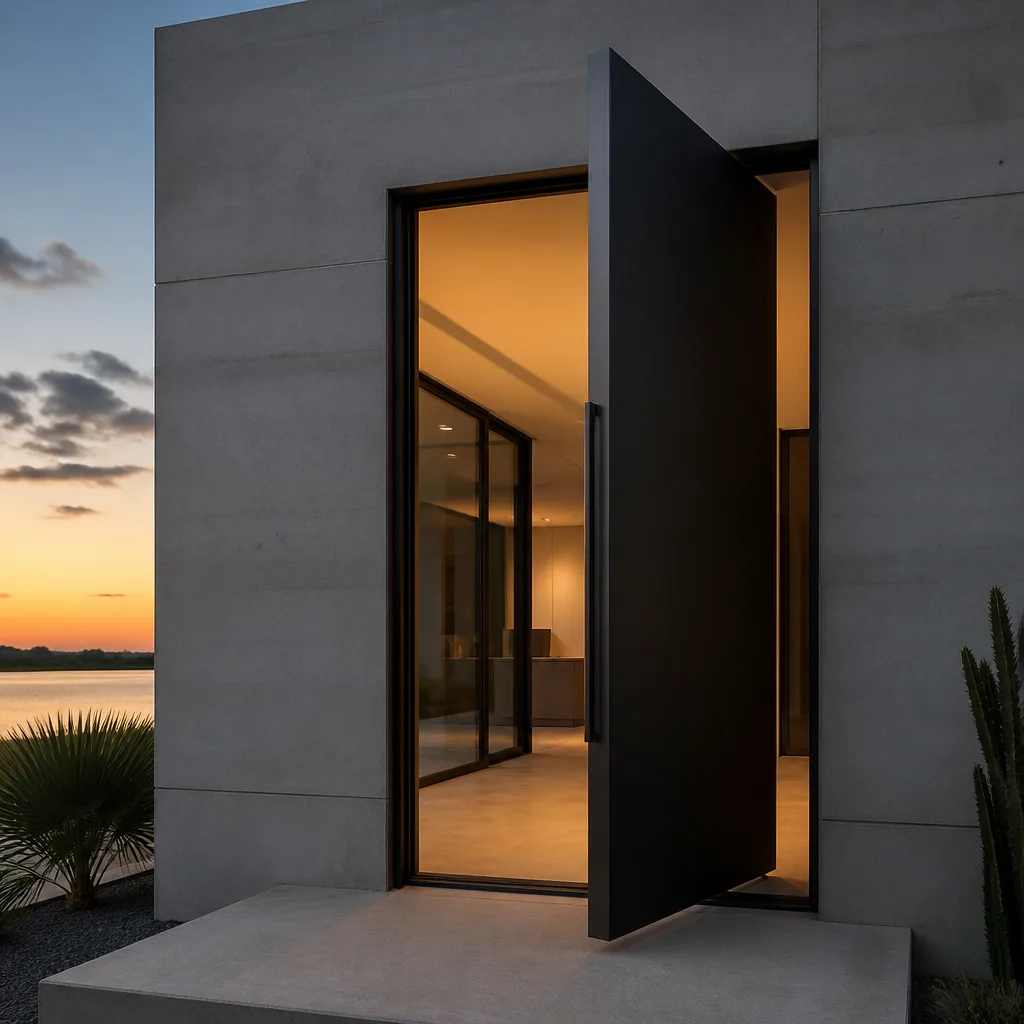
The measured survey is the foundation of every Sightline engagement. It is not a sales tool. It is a technical document the customer keeps, and it becomes the binding scope of work. Here’s what the process entails for an Opa-locka home:
- Opening identification: We locate and number every window and door to be replaced, photographing each from interior and exterior perspectives.
- Rough opening measurement: Width, height, and depth are recorded in three places per dimension - top, middle, bottom for width; left, center, right for height. Squareness is calculated; out-of-square beyond 1/4 inch triggers a note in the scope.
- Frame condition assessment: We probe for rot in wood frames, corrosion in steel, and delamination in existing aluminum. We document with photographs.
- Substrate verification: Concrete block, wood frame, or steel stud construction determines the fastening pattern and anchor type. We verify with visual inspection and probing where finish permits.
- Interior and exterior finish survey: Stucco, siding, or interior drywall condition is noted. We identify where our installation will interface with existing finishes and where touch-up will be required.
- Operational and acoustic measurement: We test existing window operation, measure ambient noise at the opening, and note solar exposure orientation.
- Product specification: Based on the above, we specify the exact product by manufacturer, series, size, glazing, and hardware. The NOA number is listed.
- Written price: The price is calculated from the specification and printed on the survey document. The customer signs a copy. This is the final invoice price, subject only to customer-initiated changes.
In Opa-locka, we’ve completed over 400 measured surveys since 2012. The change order rate on projects proceeding from survey to installation is 0.3%. The industry average in Miami-Dade County, based on permit data analysis, is 23%. The difference is not luck. It is the discipline of measuring before pricing.
Haven Clause 1 - Have it in writing - means the customer holds a document that specifies what will be installed, what it will cost, and what condition the opening was in when we arrived. If the frame is deteriorated, the photograph and the note are on the page before the price is named. No surprise. No negotiation under pressure. No mid-job change order.
The Installation Process: What to Expect
Installation in Opa-locka follows the measured survey specification precisely. Permits are pulled before work begins; inspections are scheduled before work concludes. The sequence:
- Permit application: We submit the NOA, product specification, and installation method to Miami-Dade County. Typical approval: 5-10 business days.
- Material delivery: Products are delivered to our warehouse, inspected for damage, and held until the permit is released. We do not store products on-site before permit approval.
- Removal: Existing windows or doors are removed. Openings are protected with weather-resistant barrier if same-day installation is not possible.
- Opening preparation: Rotten wood is replaced. Corroded steel is cut back and treated. Concrete block is patched where anchors will seat. This work is within the written scope if noted on the survey; if unanticipated, we document and stop for customer authorization.
- Installation: Frames are leveled, shimmed, and anchored per NOA fastening pattern. Sealant is applied to interior and exterior perimeters. Flashing integration is completed for water management.
- Glazing: Impact glass is set, gasketed, and secured. Sash operation is tested and adjusted.
- Finish: Interior and exterior trim is installed. Stucco patch or siding repair is completed to match existing texture where within scope.
- Documentation: Photographs are taken of completed installation, including frame-to-wall interface, sealant bead, and operational clearance. These become the photo record.
- Inspection: Miami-Dade County inspector verifies NOA compliance, fastening pattern, and installation method. We do not request final payment until inspection passes.
- Warranty registration: Manufacturer warranty and Sightline’s 365-Day Done Right Promise are documented and delivered.
Typical duration for a full-home replacement in Opa-locka: 2-3 days for installation, plus permit and inspection scheduling. We do not promise same-day completion; the work requires cure times for sealants and inspection availability. Haven Clause 2 - Arrive on schedule - means we commit to specific dates and meet them, not that we compress the work to an unrealistic timeline.
Selecting Products by Performance Tier
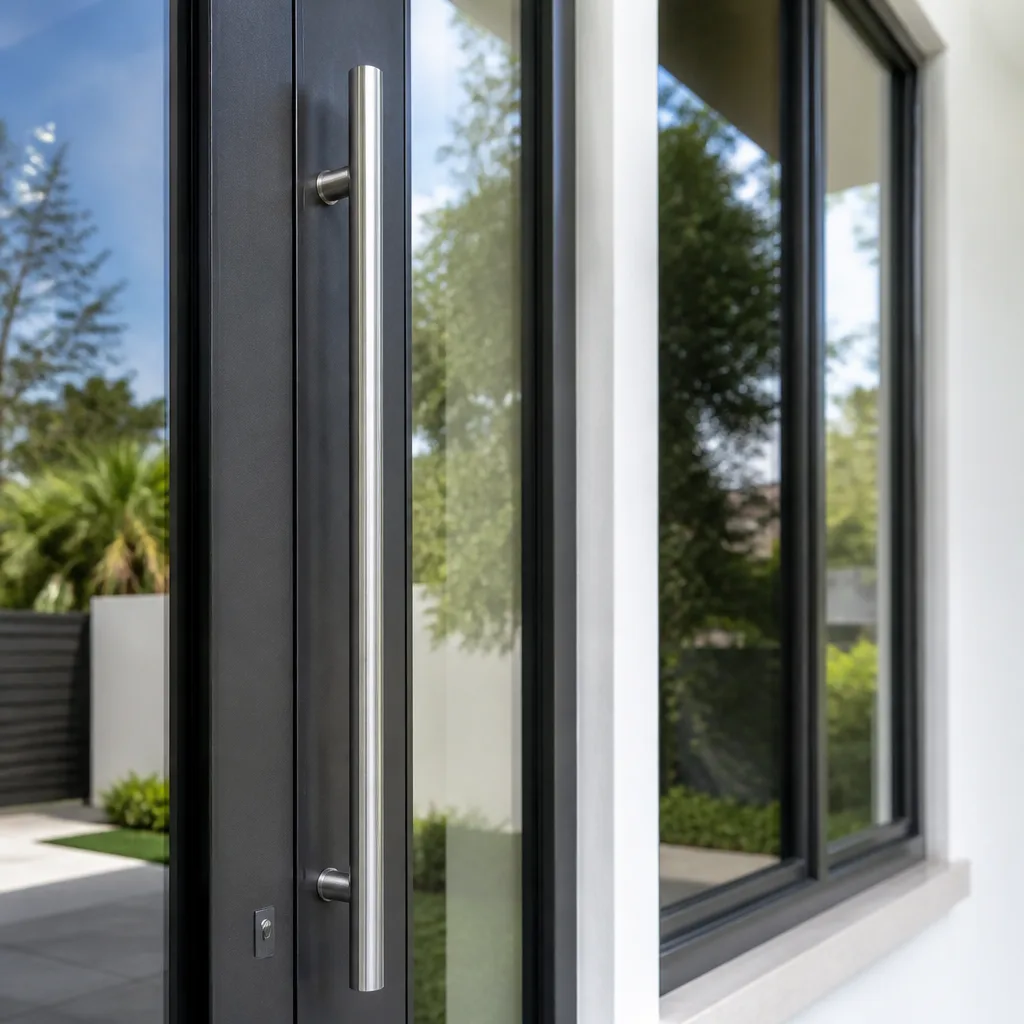
Our eight manufacturer lines are specified by what the opening requires, not by inventory position. In Opa-locka, we most frequently draw from four:
ES Windows: Miami-based manufacturer with strong NOA portfolio for the local market. Their 5000 series single-hung and horizontal roller products offer balanced performance at mid-range pricing. We’ve specified ES extensively in Opa-locka’s rental property market, where durability and cost control compete.
ECO Window Systems: Higher thermal performance tier. Their vinyl line achieves U-factors of 0.28 and SHGC of 0.22 with standard glazing - meaningful in Opa-locka’s heat-island conditions for homeowners prioritizing energy load reduction over first cost.
Mr-Glass: Specialty and custom configurations. We’ve used Mr-Glass for geometric windows in Opa-locka’s 1920s-era homes near the original Opa-locka Company development, where standard rectangular replacements would compromise architectural character.
Therma-Tru: Entry and patio door systems. Their fiberglass-composite door slabs resist the dimensional movement that plagues wood in humid environments. We specify Therma-Tru for Opa-locka entry doors where the homeowner wants wood appearance without wood maintenance.
Selection follows a hierarchy: code compliance (NOA), structural adequacy (design pressure), thermal performance (U-factor, SHGC), acoustic performance (STC where relevant), operation type (single-hung vs. horizontal roller vs. fixed), and finally aesthetic preference. We do not invert this order to move inventory.
Common Mistakes to Avoid
- Buying products online without verifying Miami-Dade NOA status. The product arrives, the permit is denied, and the return shipping for oversized glass exceeds the product value.
- Specifying dark frame colors without calculating thermal expansion. We’ve measured vinyl frames in black and bronze that warped within two seasons in Opa-locka’s heat-island exposure.
- Ignoring acoustic ratings under OPF flight paths. Standard impact glass stops the hurricane; it does not stop the 5:00 AM cargo jet. The upgrade to acoustic laminated is recoverable in sleep quality.
- Accepting a quote without a measured survey. Phone estimates based on window count and rough dimensions generate change orders. The survey is the price control.
- Permitting the installer to skip inspection. Unpermitted work voids homeowner’s insurance claims for related damage and complicates resale. Miami-Dade’s online permit history is searchable by any buyer’s agent.
- Selecting non-thermal-break aluminum for west-facing openings. The surface temperature differential creates interior condensation and mold risk. We’ve replaced windows for this reason within 18 months of original installation.
- Neglecting the stucco integration detail. Opa-locka’s concrete block construction with stucco finish requires proper flashing and sealant at the window-to-wall interface. We’ve repaired water intrusion damage where this detail was omitted.
When to Call a Professional

Window and door replacement in Opa-locka is not a project for the general handyman market. The NOA compliance, permit process, and structural integration with concrete block construction require trade-specific knowledge. Call a professional when: the existing frame shows rot, corrosion, or delamination; the opening is out-of-square beyond 1/4 inch; the wall is concrete block and requires masonry anchors; the product must carry Miami-Dade NOA; or the installation is second-story and requires scaffolding or ladder safety protocols. Our How to Hire a Windows & Doors Contractor in Opa-locka: A Step-by-Step Guide walks through the vetting process.
Sightline Windows & Doors Opa-locka offers free estimates in Opa-locka - call (786) 671-8642. Every estimate begins with a measured survey you keep, and the written price is the final price. We also offer a free second opinion on any written estimate from another contractor; bring us their scope and we’ll review it against the NOA requirements and the measured condition of your openings.
Frequently Asked Questions
Yes. Opa-locka is within Miami-Dade County’s High-Velocity Hurricane Zone, where the building code mandates impact-rated glazing or permanent storm protection for all exterior openings. Non-impact windows with shutters are permitted only if the shutters are rated and permanently attached. Call (786) 671-8642 for an exact quote on your specific openings - estimates are free.
Full-home window replacement in Opa-locka typically ranges from $8,500 for a small home with 8-10 vinyl single-hung openings to $28,000+ for larger homes with custom configurations and acoustic upgrades. The per-opening range is $890-$2,400 for standard sizes. Call (786) 671-8642 for a measured survey and written price specific to your home.
Miami-Dade NOA requires more severe testing - larger missiles, higher pressures, and stricter cyclic loading - and is mandatory in Opa-locka. Florida Product Approval is valid statewide but insufficient for Miami-Dade permit issuance. A product can hold one, both, or neither; we verify before quoting. Call (786) 671-8642 if you’ve been quoted a product and want us to check its NOA status.
Our price does not change unless you change the scope. Haven Clause 1 means the measured survey and the final invoice are the same document. If we encounter concealed damage we could not have detected during survey, we document it, stop work, and obtain your authorization before proceeding. Call (786) 671-8642 to schedule a survey and receive a written, fixed-price quote.
Permit approval takes 5-10 business days. Installation of a typical 10-opening home requires 2-3 days on-site. Inspection scheduling adds 1-3 days. We do not promise same-day completion; the work requires proper cure times and county inspection. Call (786) 671-8642 to discuss scheduling for your project.
Yes. We pull permits for every installation, include the cost in our written price, and do not request final payment until inspection passes. Unpermitted work in Opa-locka voids insurance coverage and creates resale complications. Call (786) 671-8642 to confirm permit inclusion in your estimate.
The Bottom Line

Opa-locka’s window and door market is defined by three forces: Miami-Dade’s HVHZ code requirements that filter available products, the acoustic and thermal environment shaped by airport proximity and industrial zoning, and the prevalence of change-order-driven pricing that rewards contractors who understate initial costs. The complete guide to navigating this market: verify Miami-Dade NOA on every product, demand a measured survey before any price is named, specify frame materials for salt-air and heat-island exposure, and confirm that permit and inspection are included in a fixed written quote. The documentation you receive before work starts - the survey, the NOA, the scope, the price - is the protection you have when work concludes.
Written by Sonia Raman, Owner at Sightline Windows & Doors Opa-locka, serving Opa-locka since 2012.