
Last updated September 24, 2026
Free in-home measure and quote - PGT, CGI and CWS impact lines compared on your actual openings, style by style
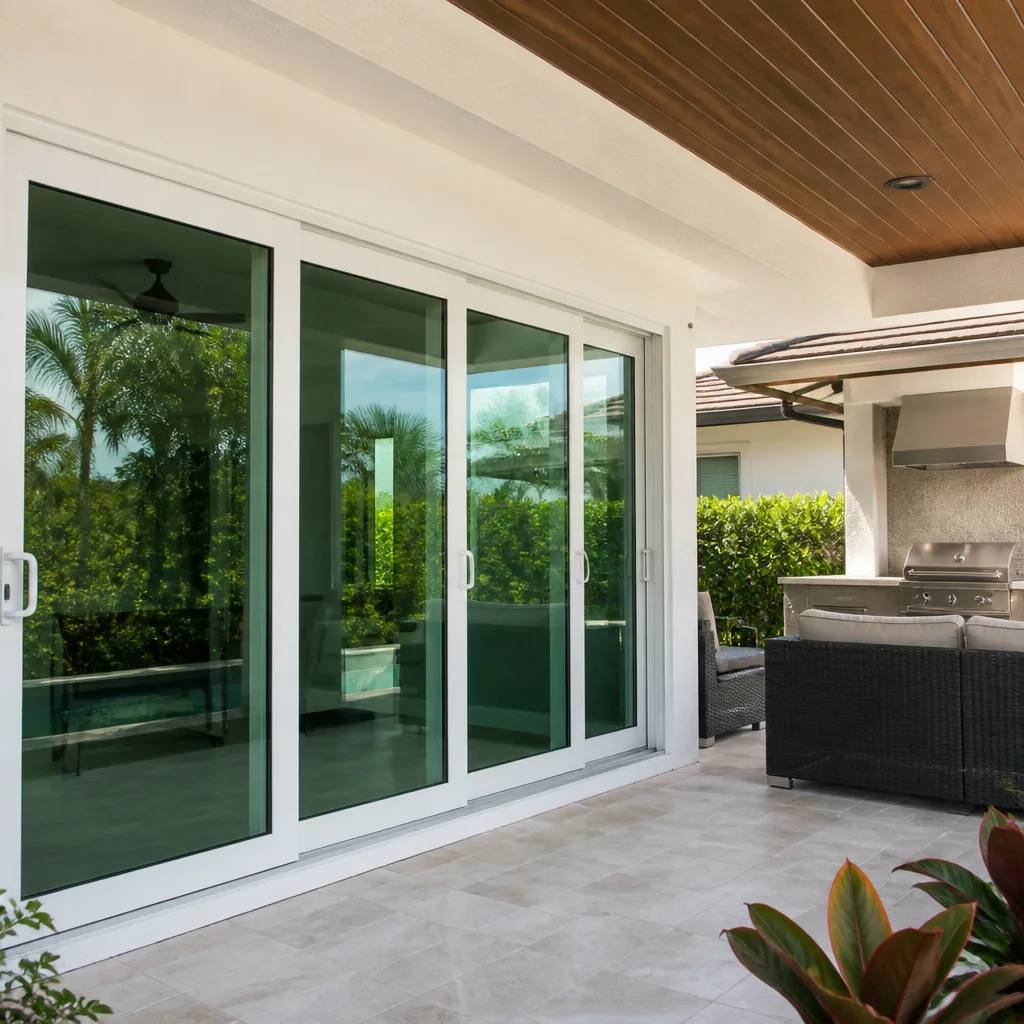
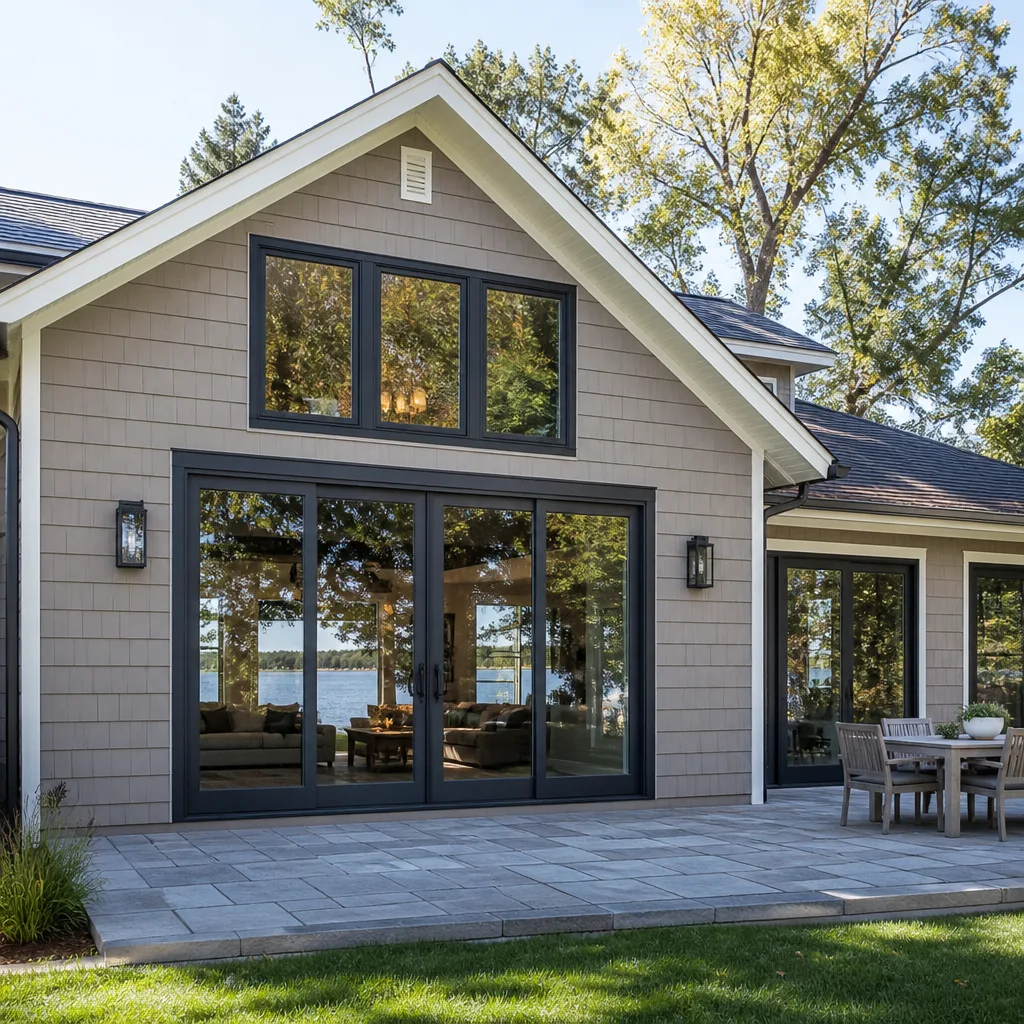
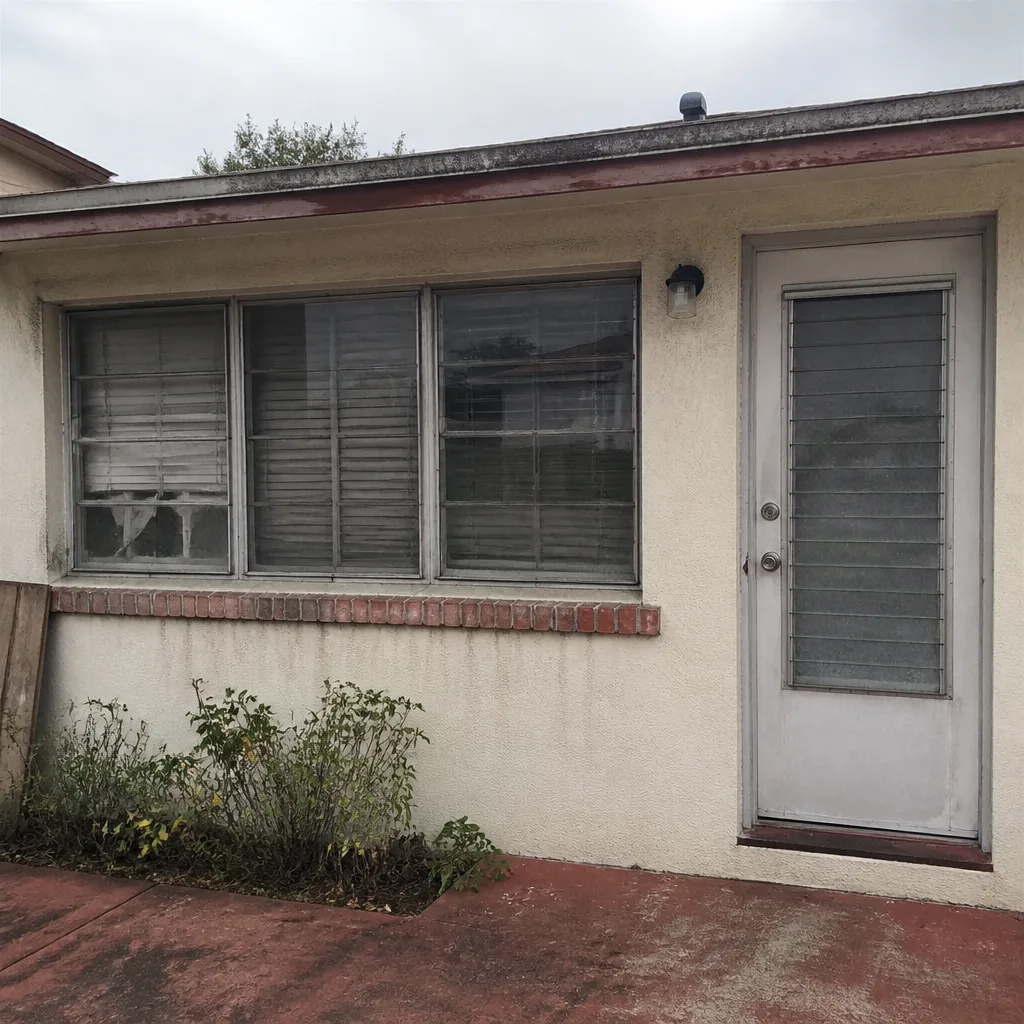 Before
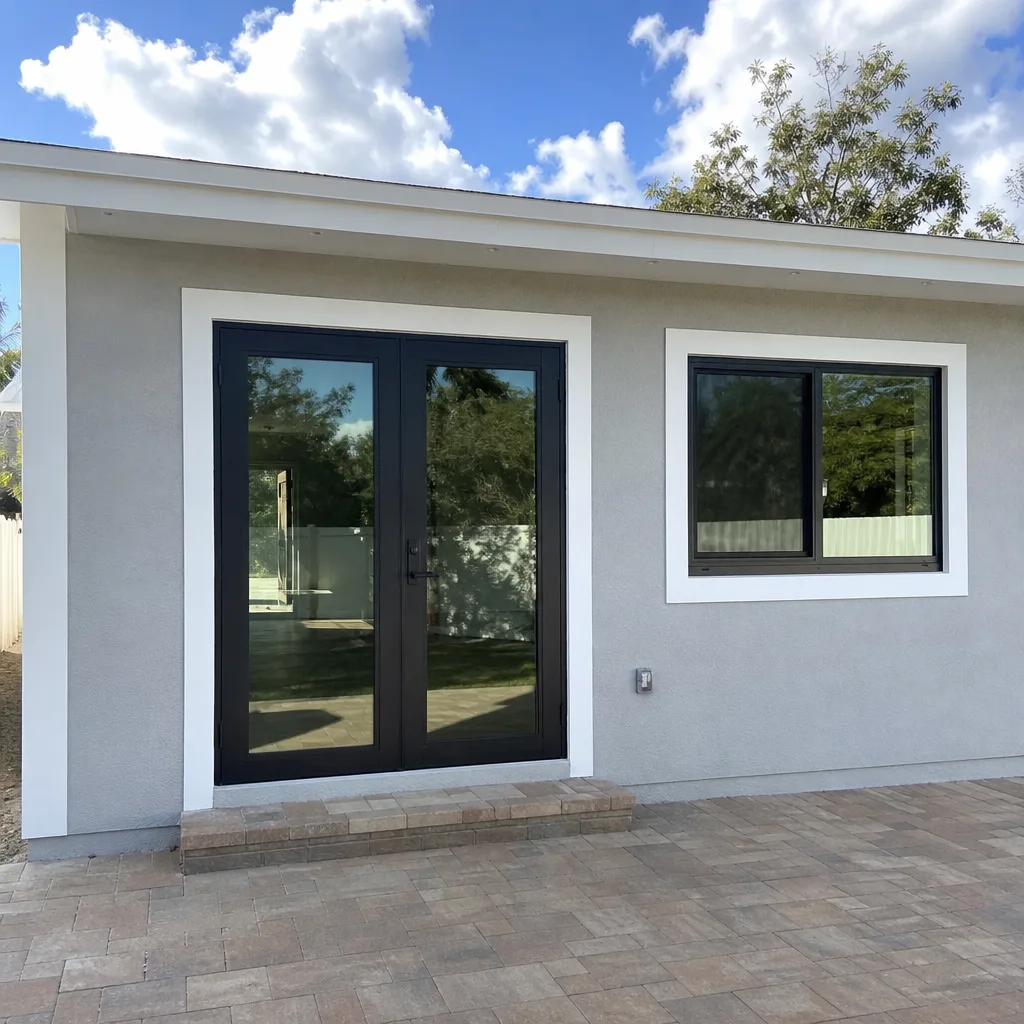 After
After Before
 After
After Before
 After
AfterWindows & Doors Permits, Codes & Inspections in FL: What You Need to Know
An unpermitted impact window replacement in Miami-Dade can result in a required removal and reinstallation at the homeowner’s cost, not the contractor’s, because permit responsibility defaults to the property owner when no permit is pulled. In Opa-locka, we’ve seen this exact scenario twice in the past three years, both times after a homeowner accepted a verbal quote and never received a permit number. Florida’s window and door permit system operates in three overlapping layers, state code, county amendment, and municipal code, and Opa-locka sits where all three are most restrictive simultaneously. This guide explains what each layer requires, how to verify your contractor is handling it correctly, and what documentation you should have in hand before any work begins. For more guides & resources on protecting your home, see our blog.
Quick Answer
Window and door replacements in Florida require a building permit when the opening size changes, when impact-rated products are installed in the High-Velocity Hurricane Zone, or when the work affects structural framing. In Miami-Dade County and Opa-locka specifically, the permit application must include a current Notice of Acceptance (NOA) for each product, a property survey showing setbacks, and installation drawings signed by a qualifier. Two inspections are standard, a rough framing inspection before the window is set, and a final inspection after installation is complete.
Table of Contents

- Florida Building Code: Three Layers That Govern Your Project
- When Is a Permit Required for Window or Door Replacement?
- Miami-Dade Product Approval and the NOA System
- Opa-locka Permit Application: Required Documents Explained
- The Inspection Process: Rough and Final
- How to Check Permit Status and Inspection Results
- Permit Costs and Timeline in Opa-locka
- Common Mistakes to Avoid
- When to Call a Professional
- Frequently Asked Questions
 Before
 After
AfterFlorida Building Code: Three Layers That Govern Your Project
Florida operates under a single statewide building code, but the way it applies to your window or door project depends on three distinct regulatory layers. Understanding which layer controls your specific job prevents the most common permit failure we encounter in Opa-locka. Our The Complete Guide to Windows & Doors in Opa-locka covers these regulatory layers in greater depth.
Layer One: The Florida Building Code (FBC)
The statewide code sets baseline requirements for all construction. For existing buildings, Chapter 14 governs alterations, repairs, and additions. This is the chapter that applies to nearly every window and door replacement in Opa-locka, because most of our work happens in homes built before 2020. Chapter 14 allows replacement windows to match the existing opening size without triggering full new-construction standards, provided the replacement does not reduce structural capacity or create a new code violation.
New construction standards, found in Chapter 16 and other sections, apply only when you are adding a new opening where none existed, enlarging an existing opening, or performing a Level 3 alteration that changes the building’s occupancy or structural system. The distinction matters because new construction standards require more extensive documentation, including engineering calculations for wind load and sometimes full plans review, where Chapter 14 replacements typically move through a faster administrative review.
Layer Two: Miami-Dade County Amendments
Miami-Dade County adopts the FBC with amendments that are more restrictive than the statewide minimum. The county sits entirely within the High-Velocity Hurricane Zone (HVHZ), defined in FBC Section 1609.2 as areas where the basic wind speed exceeds 140 mph. Every window and door installed in Opa-locka must be impact-rated or protected with an approved shutter system, with no exceptions for replacements that maintain the same opening size.
The county’s amendments also govern product approval. While the state of Florida maintains a Statewide Product Approval System, Miami-Dade operates its own parallel system, and products installed here must carry a current Miami-Dade Notice of Acceptance (NOA) or a Florida Product Approval that explicitly includes Miami-Dade County. A product approved for Orlando or Tampa is not automatically approved for Opa-locka. We’ve reviewed competitor quotes where the specified product carried only a statewide approval without Miami-Dade inclusion, the permit would be denied, and the homeowner would not discover this until the inspection failed.
Layer Three: Opa-locka Municipal Code
The City of Opa-locka enforces both the FBC and Miami-Dade amendments through its own Building and Zoning Department, located at 780 Fisherman Street. Opa-locka requires that permit applications include a copy of the property survey, even for interior door replacements that do not affect setbacks, because the city uses the survey to verify that the structure itself was legally built and is correctly located on the parcel. This requirement surprises many homeowners and some contractors who work primarily in unincorporated Miami-Dade, where surveys are not always mandatory for minor alterations.
Opa-locka also maintains its own contractor registration requirements. Any contractor pulling a permit in the city must hold a current Opa-locka business tax receipt and a valid Miami-Dade County contractor’s license. The city verifies these at permit application and again at final inspection. A permit pulled by an unregistered contractor will be flagged, and work cannot proceed until the registration is completed or a properly licensed contractor assumes responsibility.
In our experience, the triple-layer system creates the most friction for homeowners who have previously worked in Broward or Palm Beach counties, where municipal requirements are less stringent, or for contractors who primarily serve unincorporated areas and are unfamiliar with Opa-locka’s survey requirement. The measured survey we provide under Haven Clause 1 includes opening dimensions, frame conditions, and sightline measurements, but it does not replace the property survey the city requires, we make sure our customers understand this distinction before application.
When Is a Permit Required for Window or Door Replacement?

Not every window or door replacement requires a permit, but the exceptions are narrower than most homeowners assume. Here’s the breakdown we use when reviewing a project in Opa-locka.
Permit Required
- Any impact-rated window or door installation in the HVHZ, including like-for-like replacements of existing impact products. The product must carry a current NOA, and the installation method must match the NOA’s approved details.
- Any change to opening dimensions, including enlarging a window, converting a window to a door, or adding a new opening where none existed. This triggers new construction standards and requires engineered drawings.
- Any replacement affecting structural framing, including header modification, sill replacement, or changes to the king stud or jack stud configuration. Even a same-size replacement requires a permit if the frame is rotted and requires structural repair.
- Any door replacement affecting egress requirements, including changing the swing direction of an exterior door in a bedroom or basement, or reducing the clear opening width below 32 inches.
- Any work in a historic district or on a historically designated property. Opa-locka contains properties subject to additional review by the city’s Historic Preservation Board.
Permit Not Required
- Interior door replacement in the same opening, with no structural modification, provided the door is not fire-rated and does not affect egress. Note: Opa-locka still requires a contractor registration for this work if performed by a licensed contractor, even when no permit is pulled.
- Glass-only replacement in an existing sash or frame, commonly called an “insulated glass unit” or IGU replacement, where the frame and glazing method remain unchanged.
- Screen door or storm door installation on an existing frame, provided the door is not marketed or installed as an impact-rated product.
The most frequent point of confusion involves non-impact replacement windows in older homes that currently have single-pane glass. Some homeowners believe that because they are not upgrading to impact-rated products, no permit is needed. In Miami-Dade County, this is incorrect. The HVHZ requirement applies to all exterior openings, and any replacement must either be impact-rated or protected with an approved shutter system. A permit is required to verify compliance. We’ve reviewed estimates where a contractor proposed non-impact vinyl windows without shutters for an Opa-locka home, the permit would be denied, and the homeowner would face replacement at their own expense if the violation were discovered. These are the kinds of Windows & Doors Warning Signs: A Opa-locka Homeowner’s Reference Guide we help clients identify early.
Miami-Dade Product Approval and the NOA System
The Notice of Acceptance is the document that separates a product legally installable in Opa-locka from one that is not. Understanding how to read and verify an NOA protects you from the most expensive permit failure scenario: a product that passes rough inspection but fails final inspection because its approval expired between quote and installation.
What an NOA Contains
A Miami-Dade NOA is a technical document, typically 15-40 pages, that specifies:
- Product identification: The exact model numbers, sizes, and configurations covered by the approval. A manufacturer cannot substitute materials or dimensions without amending the NOA.
- Performance ratings: Design pressure (DP) rating in pounds per square foot, which must meet or exceed the requirement for your specific building height and exposure. Opa-locka’s wind speed requirement translates to DP ratings that vary from 50 psf for single-story inland homes to 70 psf or higher for coastal and multi-story structures.
- Installation details: Approved methods for fastening, flashing, and sealing. The NOA will specify minimum fastener size, spacing, and embedment depth into concrete or wood framing. Deviation from these details voids the approval.
- Expiration date: The date after which the NOA is no longer valid for new permits. This is the field most commonly missed by homeowners reviewing contractor documentation.
How to Verify an NOA Is Current
Miami-Dade County maintains a searchable database at miamidade.gov/buildingcode. Enter the NOA number, typically formatted as NOAXX-XXXX.XX, and confirm three things:
- The status shows “Active” or “Current,” not “Expired,” “Superseded,” or “Withdrawn.”
- The product model you are purchasing appears in the approved products list, not merely the manufacturer’s name.
- The expiration date falls after your anticipated installation date, not merely your quote date.
We’ve encountered situations where a contractor quoted a product with an NOA expiring in 90 days, then scheduled installation for 120 days out. The NOA expired between permit application and rough inspection. The permit was placed on hold, the product could not be installed, and the homeowner faced a choice between waiting for a new NOA (with no guaranteed timeline) or accepting a different product. At Sightline Windows & Doors Opa-locka home, we verify NOA status at quote and again at permit application, and we specify in our written scope that the quoted product must maintain active approval through installation or we will propose an equivalent at the same price tier.
Products from manufacturers like CGI and CWS carry long-standing NOAs with multiple renewal cycles, which reduces but does not eliminate expiration risk. ES Windows and ECO Window Systems also maintain current Miami-Dade approvals for their impact-rated lines. The key is not the manufacturer’s reputation but the specific NOA number tied to the specific model in your quote.
Opa-locka Permit Application: Required Documents Explained
A complete permit application in Opa-locka requires four document types. Each serves a distinct purpose in the review process, and missing any one causes a delay of one to three weeks.
1. Property Survey
The survey, sometimes called a boundary survey or mortgage survey, shows the property lines, existing structures, and required setbacks. Opa-locka uses this document to confirm that the building was legally constructed and that the proposed work does not encroach on setbacks or easements. For window and door replacement, the survey is rarely used to verify the work itself, because replacement in existing openings does not change the building footprint. Instead, the city uses it to cross-check the property records and ensure no unpermitted additions exist that would complicate the inspection process.
Homeowners often do not have a current survey. If you purchased with a mortgage, your title company may have provided one at closing. If not, a new residential survey in Opa-locka costs approximately $400-$700 and takes 5-10 business days. Some contractors include this in their project management fee, others expect the homeowner to obtain it. At Sightline, we identify survey needs at our measured survey visit and include the cost in our written scope if we will obtain it on your behalf.
2. Product Approval Documentation
This includes the current NOA or Florida Product Approval for each product, plus the manufacturer’s installation instructions. The city reviews these to confirm that the specified product is approved for the HVHZ and that the proposed installation method matches the approved details. For multi-product jobs, such as a whole-home window replacement with multiple window types, each product requires its own approval document.
3. Installation Drawings
Also called “detail drawings” or “shop drawings,” these show how the window or door will be installed in the specific opening. For standard replacement in a wood-frame home, the drawings may be generic details from the manufacturer, annotated with fastener spacing and flashing tape placement. For concrete block construction, common in Opa-locka’s mid-century homes, the drawings must show anchor bolt size, embedment depth, and grout fill requirements. For new openings or structural modifications, a Florida-licensed engineer must stamp the drawings.
The quality of installation drawings varies significantly among contractors. We’ve reviewed permit packages where the “drawings” were a single page of manufacturer marketing material with no installation details. These are rejected. Our drawings under Haven Clause 1 include opening dimensions, frame conditions noted during measurement, product specifications, and installation details matched to the NOA. The customer receives a copy with their written quote.
4. Contractor Documentation
The permit applicant must provide:
- Valid Florida contractor’s license, with the qualifier’s name matching the application
- Current Miami-Dade County contractor’s license
- Current Opa-locka business tax receipt
- Proof of workers’ compensation insurance or exemption
- General liability insurance certificate naming the city as certificate holder
Opa-locka verifies all five items before accepting the application. A common delay occurs when a contractor holds a state license but has not renewed the county or city registration. We maintain all three licenses current and provide license numbers on request under Haven Clause 3, Verified Crews.
The Inspection Process: Rough and Final
Miami-Dade County and Opa-locka require two inspections for most window and door permits. Understanding what each inspection covers helps you evaluate whether your contractor is preparing adequately.
Rough Framing Inspection
The rough inspection occurs after the old window or door is removed and the opening is prepared, but before the new unit is set. The inspector verifies:
- Opening dimensions match the permit application and approved drawings
- Structural framing is intact, with no rot, termite damage, or unauthorized modifications
- Header size and support meet code for the span and load
- Fastener embedment and spacing match the NOA requirements for the substrate (wood, concrete, or steel)
- Flashing and weather barrier are properly lapped and sealed
- Drainage plane is continuous and directed to the exterior
In Opa-locka’s older concrete block homes, we’ve found that original window openings often lack proper sill flashing because the construction predates modern moisture management standards. Our measured survey notes these conditions, and our written scope specifies whether sill pan installation or other remediation is required to pass rough inspection. This is not an upsell, it is code compliance that some competitors omit from their quotes, leaving the homeowner to absorb the cost when the inspector flags it.
The rough inspection must pass before the window is installed. Setting a window before rough approval risks a failed inspection and potential removal. Some contractors schedule the inspection for the installation day, hoping to pass and proceed in a single visit. This creates pressure to hide deficiencies or argue with the inspector. We schedule rough inspection with a buffer day, allowing time to address any findings without delaying the installation.
Final Inspection
The final inspection occurs after installation is complete and all finish work, interior trim, exterior sealant, and hardware are in place. The inspector verifies:
- Installed product matches the NOA model number and size on the permit
- Installation method matches the NOA details, including fastener type, spacing, and embedment
- Operable windows and doors function correctly, with proper latching and locking
- Weatherstripping and seals are intact
- Impact-rated products have required labels visible and legible
- Interior and exterior finish is complete, with no exposed framing or unfinished surfaces
The impact label verification is critical and frequently missed. Every impact-rated window and door must bear a permanent label showing the manufacturer, model number, NOA reference, and design pressure rating. Labels must be visible after installation, typically on the frame edge or sash rail. We’ve seen final inspections fail because a contractor installed the window with the label facing the exterior and then covered it with trim. Our installation protocol includes label location verification before trim installation.
After final inspection passes, the city issues a Certificate of Completion or Certificate of Occupancy update, depending on the project scope. This document is your proof that the work was performed to code. We include a copy in the documented photo record we provide under Haven Clause 4, Evidence on Every Job.
How to Check Permit Status and Inspection Results
Miami-Dade County provides online permit tracking through the Building Code Compliance Office portal. Opa-locka permits are accessible through this system because the city participates in the county’s unified permitting platform.
Step-by-Step Portal Check
- Navigate to the Miami-Dade Permits search page and select “Search by Address” or “Search by Permit Number.”
- Enter your property address exactly as it appears on the permit application, including directional prefixes (NW, SW, etc.) that are standard in Opa-locka street names.
- Select your permit from the results list. The status will show as “Applied,” “Under Review,” “Issued,” “Inspection Scheduled,” “Inspection Passed,” “Inspection Failed,” or “Closed.”
- Click “Inspections” to view the inspection history, including dates, inspector names, results, and any correction notes.
- Review “Documents” to access approved plans, NOA references, and the Certificate of Completion when issued.
Why You Should Check Before Final Payment
The permit status tells you whether the work is legally complete. A contractor who requests final payment while the permit shows “Inspection Failed” or “Open” is asking you to assume the risk of re-inspection costs, potential removal, or code violation penalties. We structure our payment schedule under Haven Clause 5, No Surprises, with final payment due only after permit closure and delivery of the documented photo record. This aligns our incentive with yours: we do not get paid until the work is verified by the city.
We’ve encountered homeowners who paid in full at installation, then discovered six months later that the permit was never closed because a failed final inspection was never addressed. The contractor was unresponsive, and the homeowner faced the choice of paying another contractor to correct the work or leaving the permit open, which complicates future sales or refinancing. Checking the portal takes five minutes and prevents this outcome.
For Opa-locka properties specifically, note that the portal updates may lag the actual inspection by 24-48 hours. If your contractor reports a passed inspection and the portal does not yet reflect it, ask for the inspection card or inspector’s signature before paying. Our crew provides the inspection result documentation at the end of each inspection day, with photo evidence uploaded to your record.
Permit Costs and Timeline in Opa-locka
Permit costs in Opa-locka follow Miami-Dade County’s fee schedule with a municipal surcharge. Understanding these costs helps you evaluate whether a contractor’s “permit fee” line item is reasonable.
Typical Permit Fees
| Project Type | County Base Fee | Opa-locka Surcharge | Total Estimated Fee |
|---|---|---|---|
| Single window replacement (same size) | $85-$120 | $25-$40 | $110-$160 |
| Multiple window replacement (3-10 units) | $180-$280 | $50-$75 | $230-$355 |
| Single door replacement (same size) | $95-$135 | $30-$45 | $125-$180 |
| New opening or size change | $250-$400 | $75-$110 | $325-$510 |
| Impact garage door replacement | $150-$220 | $45-$65 | $195-$285 |
These figures are estimates based on Miami-Dade’s published fee schedule and Opa-locka’s municipal surcharge rates as of 2024. Actual fees vary with project valuation and complexity. We itemize the permit fee in our written quote under Haven Clause 1, with no markup, the amount we pay the city is the amount you pay us.
Timeline
- Application review: 5-10 business days for standard replacement permits; 15-20 business days for new openings or engineered plans
- Permit issuance: 1-2 business days after review approval, upon payment of fees
- Rough inspection scheduling: 2-5 business days after request, depending on inspector availability
- Final inspection scheduling: 2-5 business days after request
- Total typical timeline: 3-5 weeks from application to permit closure for standard replacement; 6-10 weeks for complex projects
Opa-locka’s inspection volume is lower than Miami Beach or Coral Gables, which can mean faster scheduling, but the city’s smaller staff also means less flexibility for same-day rescheduling if a contractor is not ready. We build these timelines into our project schedule and communicate them in writing, so you know when to expect crews and when to expect inspections.
Common Mistakes to Avoid
- Accepting a verbal quote with no permit discussion. A contractor who does not mention permits in the quote is either planning to work without one or planning to surprise you with the fee later. Either way, you have no written protection.
- Assuming the contractor “handles everything” without verifying. Permit responsibility defaults to the property owner under Florida law. Verify the permit number, check the portal, and confirm the contractor’s license is active in Opa-locka.
- Installing non-impact products without shutters in the HVHZ. This is the most common code violation we see in Opa-locka re-inspections. The product may be high-quality, but without impact rating or approved shutters, it fails final inspection.
- Using an expired or superseded NOA. Product approvals expire, and manufacturers do not always notify past customers. Verify the NOA yourself through the county portal, do not trust a printed copy from a contractor’s file.
- Paying in full before permit closure. Once you have paid, your leverage to ensure inspection completion disappears. Structure payment with final holdback contingent on permit closure and documentation delivery.
- Ignoring the property survey requirement. Opa-locka’s survey requirement surprises many homeowners and some contractors. Starting work without it can halt the project mid-stream.
- Choosing a product for aesthetics without checking HVHZ approval. A window or door may be beautiful, well-built, and reasonably priced, but if it lacks Miami-Dade NOA or Florida Product Approval with Miami-Dade inclusion, it cannot be legally installed in Opa-locka.
When to Call a Professional
Call a licensed contractor when your project involves impact-rated products, structural framing, new openings, or any work in Miami-Dade’s HVHZ. The permit and inspection system is not designed for homeowner navigation, and the cost of a failed inspection, removal, and reinstallation far exceeds the cost of professional project management from the start. See our DIY vs Professional Windows & Doors: The Opa-locka Homeowner’s Decision Guide to evaluate your options.
Specific scenarios where professional involvement is essential: concrete block construction requiring anchor bolt engineering; multi-story installations where design pressure ratings increase with height; historic properties requiring preservation board review; and any project where the existing frame shows rot, termite damage, or settlement cracks that suggest structural issues beyond the window itself.
Window Installation in Opa-locka and Door Installation in Opa-locka through Sightline Windows & Doors Opa-locka begins with a measured survey you keep, followed by a written quote that includes permit fees, NOA verification, and inspection scheduling. Our crews are background-checked, uniformed, and identified by license number before arrival. Call (786) 671-8642 to schedule your free estimate.
Frequently Asked Questions

A standard same-size window replacement permit in Opa-locka typically costs $110-$160, including Miami-Dade County base fees and the municipal surcharge. New openings or size changes cost $325-$510 due to additional plan review requirements. Call (786) 671-8642 for an exact quote on your specific project, estimates are free.
No, the permit fee is fixed at application based on the project scope described. However, if inspection failures reveal unanticipated conditions, such as hidden frame rot requiring structural repair, the permit may need amendment, which carries additional fees. Our written scope under Haven Clause 1 includes a contingency protocol for common hidden conditions, so you know the price range before work begins.
We pull permits as part of our standard project management. The property owner remains legally responsible for permit compliance under Florida law, but we handle application, scheduling, and inspection attendance as your licensed contractor. You receive copies of all documents and portal access instructions to verify status yourself.
From application to permit closure, expect 4-6 weeks for a typical 10-15 window replacement in Opa-locka. This includes 5-10 days for application review, 1-2 days for issuance, installation scheduling, and two inspections with 2-5 days scheduling time each. We coordinate this timeline with your written quote so you know the schedule before committing.
The inspector issues a correction notice specifying the deficiency. Common causes include improper fastener spacing, missing flashing details, or impact label obscuration. We address corrections at our expense if they result from our installation, or we document pre-existing conditions found during our measured survey if they require additional scope. The 365-Day Done Right Promise covers inspection-related corrections without additional charge.
Yes, but only if the Florida Product Approval explicitly includes Miami-Dade County in its approved jurisdictions. Many statewide approvals exclude the HVHZ or require additional testing. Verify on the Florida Product Approval website that Miami-Dade appears in the “Approved For” list, not merely that the product is “Florida-approved.” When in doubt, we obtain a current NOA for products we specify, eliminating jurisdictional ambiguity.
Yes, if the garage door is impact-rated or if the replacement affects the garage’s fire separation or egress. Impact garage doors in the HVHZ require permit, inspection, and current product approval, just like windows and entry doors. Window Replacement in Opa-locka and garage door replacement follow similar permit pathways. Non-impact garage door replacement in a non-HVHZ area might not require permit, but all of Miami-Dade is HVHZ, so the exception does not apply here.
Verify the Florida license at myfloridalicense.com, the Miami-Dade County license at miamidade.gov/buildingcode, and the Opa-locka business tax receipt by calling the city at (786) 671-8642. We provide all three license numbers on request under Haven Clause 3, and our technicians carry identification matching those records.
The Bottom Line
Florida’s three-layer permit system, state code, county amendment, and municipal requirement, creates complexity that rewards preparation and punishes assumptions. In Opa-locka, the survey requirement, active NOA verification, and strict HVHZ compliance make professional project management a practical necessity rather than a luxury. The homeowners who fare best are those who demand written documentation at every stage: the measured survey, the product approval, the permit application, the inspection results, and the final certificate. This is the foundation of the Haven Standard, and it has governed every one of the 18,000+ openings we’ve installed since 2012.
Call (786) 671-8642 to schedule your free estimate. We will review your existing openings, identify permit requirements specific to your property, and provide a written quote that includes all fees, timelines, and documentation before any work begins.
Written by Sonia Raman, Owner at Sightline Windows & Doors Opa-locka, serving Opa-locka since 2012.